


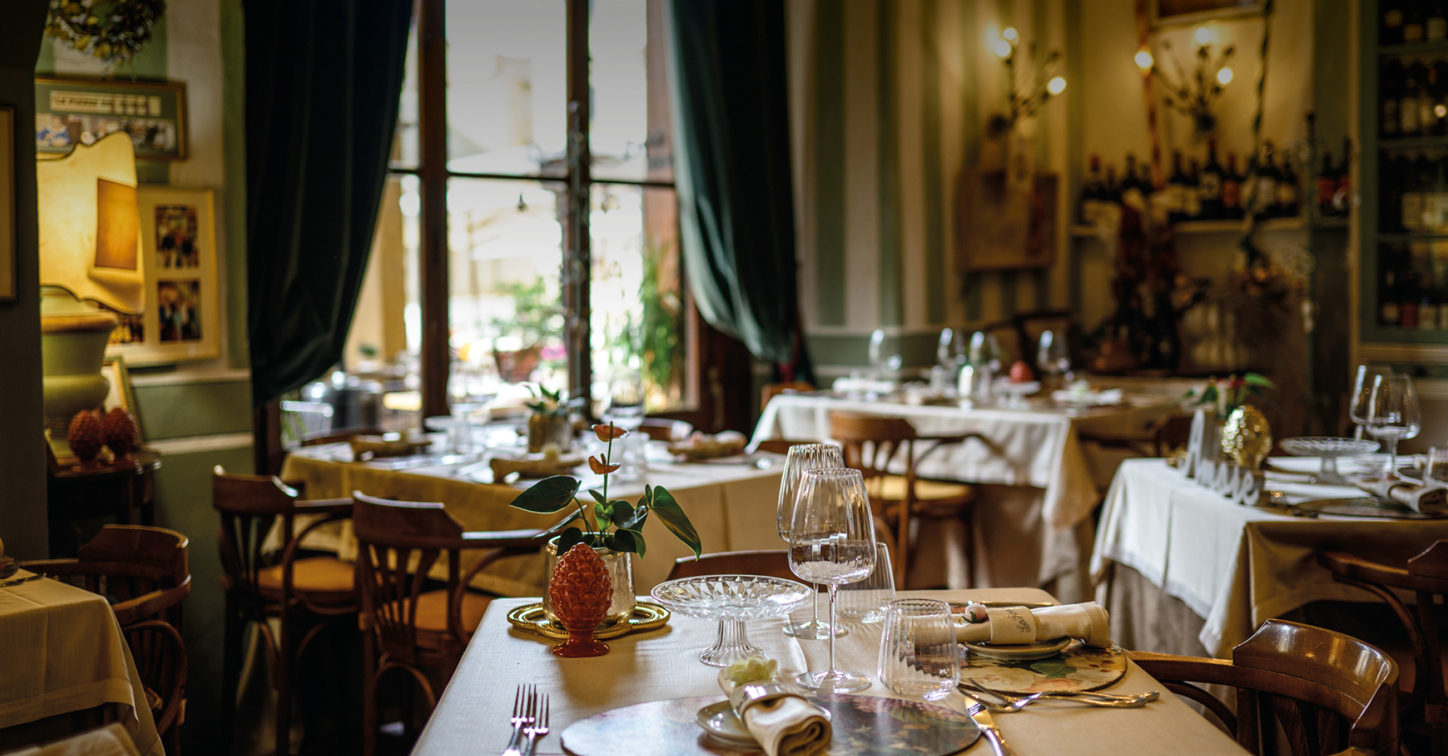
Food is one way to discover Arezzo and the surrounding area. More than simply part of a journey, it is an experience that shapes your visit, your stay and the way you connect with a place. Restaurants, trattorias, wine bars serving food, contemporary dining venues, restaurants in scenic settings and menus featuring local produce reflect a rich culinary tradition shaped by distinctive flavours, ingredients, the seasons and fresh interpretations.
Arezzo and surroundings
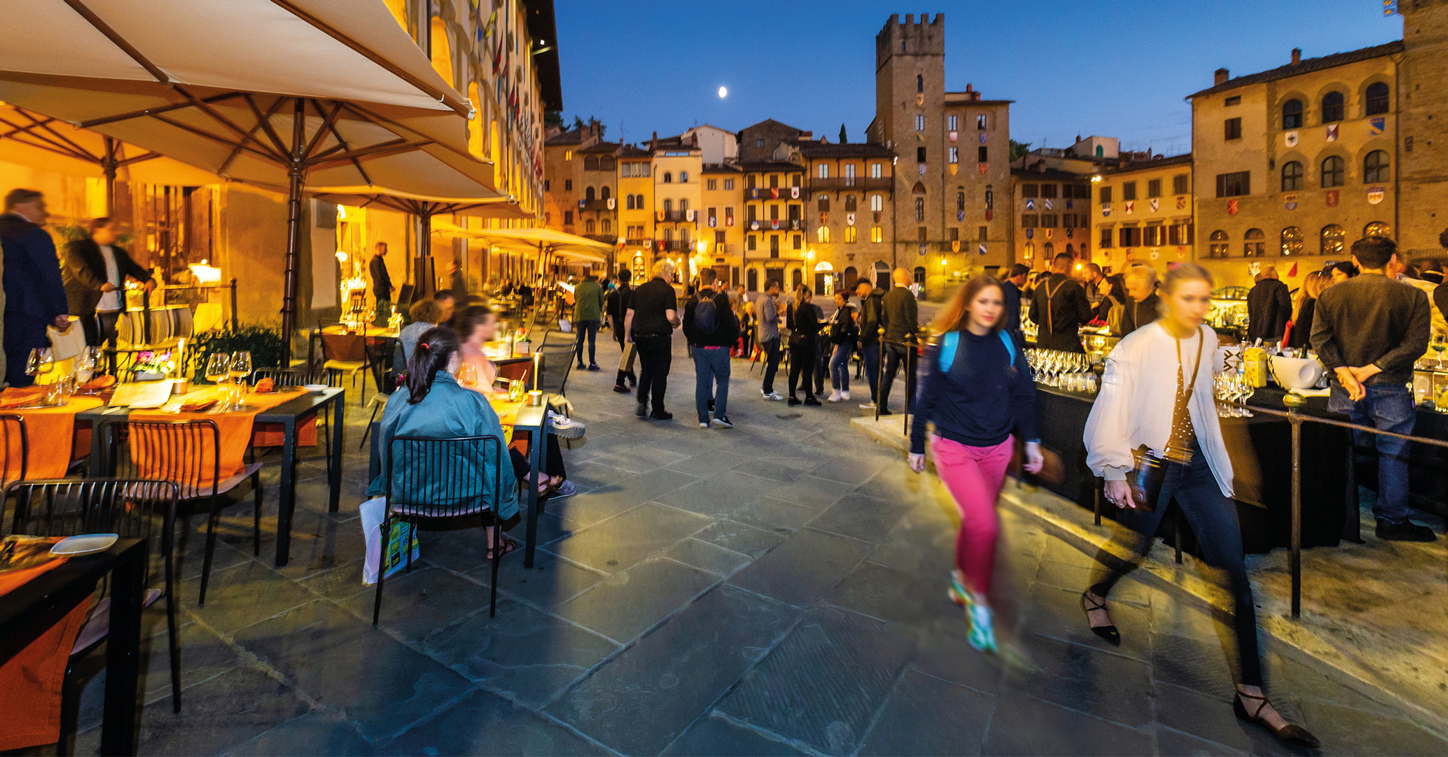
In the heart of Arezzo and its immediate surroundings, food is part of the visitor experience: a way to get to know the city through its flavours, places to eat, squares, meeting places and surrounding countryside. Restaurants, trattorias, wine bars serving food and contemporary cuisine are all part of a stay here, inviting you to enjoy Arezzo at a slower pace, with time for art, events and good food.


From tradition to creative cuisine
Food tells the story of the area in different ways: through recipes deeply rooted in local memory and the distinctive flavours of Arezzo and Tuscany, or through restaurants that take a more contemporary, personal approach to ingredients, the seasons and the area’s culinary identity.
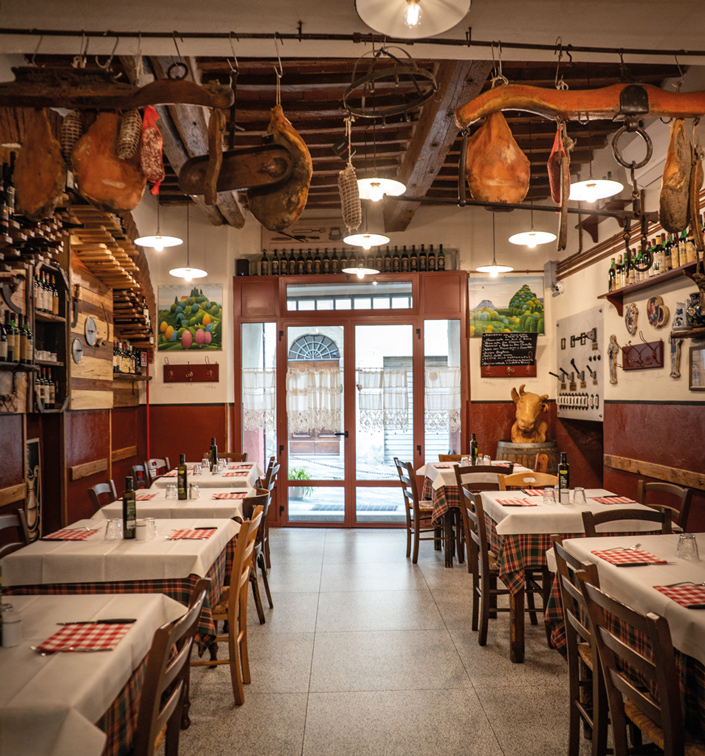
Discover the flavours of Arezzo and Tuscany, local recipes and familiar dishes in places that give you an immediate sense of the area. In these osterias, trattorias and restaurants, tradition has a permanent place on the menu, with dishes rooted in home cooking, local produce, the seasons and the area’s culinary heritage.
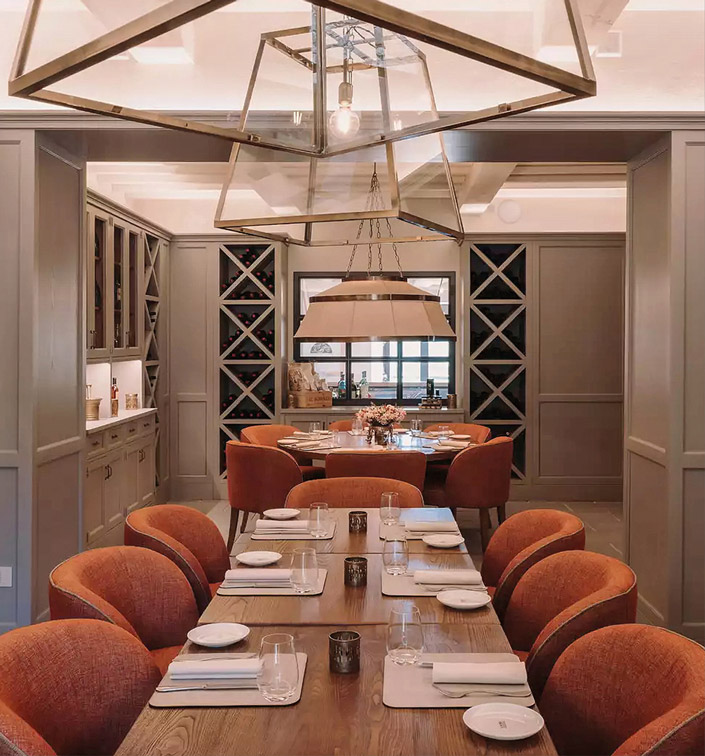
These restaurants focus on culinary exploration, technique and carefully composed menus, offering creative, distinctive food. Ingredients, seasonality and local traditions are interpreted through the chef’s vision, with contemporary approaches, tasting menus and dishes that express a more individual style.
Dining and atmosphere
The dining experience also varies with the setting. Dinner in the city centre, a table overlooking a square, a wine bar serving food or a restaurant surrounded by hills, vineyards and olive groves all offer different ways to enjoy a meal. The setting becomes part of the experience: wine, the landscape, outdoor spaces and the rhythm of country life help shape the character of each place.
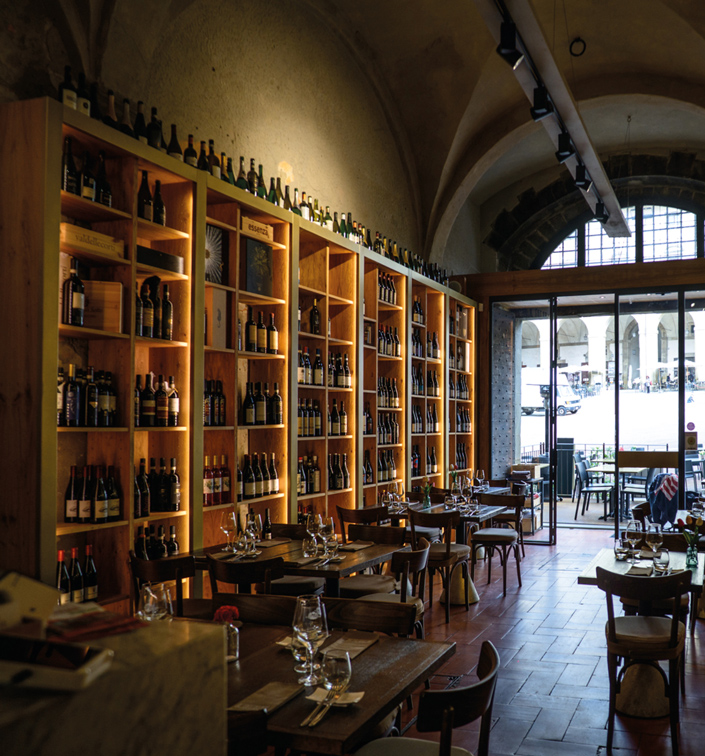
Wine bars serving food and restaurants on estates, at wineries, on farms or in other settings associated with wine. Here, wine plays an important role, from extensive, carefully chosen selections to locally produced wines, connecting food and local produce with the story of the area.
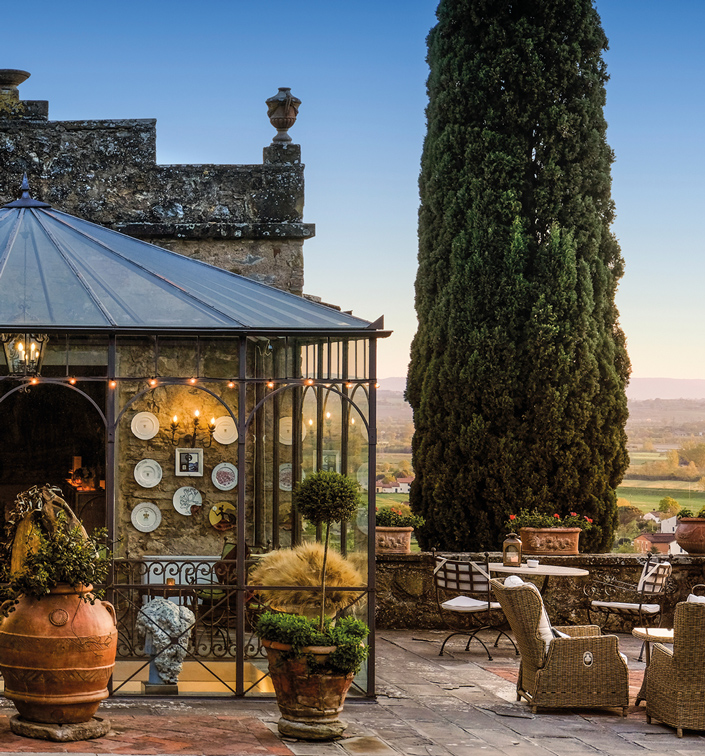
Restaurants, agriturismos, estates, country resorts and historic residences in natural surroundings, scenic locations or settings with panoramic views. A meal can become part of a broader experience, shaped by outdoor spaces, the rhythms of country life and a connection with the place. Vineyards, olive groves, vegetable gardens, hills and landscapes provide a backdrop to the food and reinforce the story it tells.
Different tastes, different choices
The choice of a restaurant can also reflect very different needs, tastes and preferences: some people look for more plant-based food, while others seek out places where meat, cooking over embers and grilling take centre stage. These are two different approaches to choosing from a menu, both found in contemporary dining and in the area’s culinary traditions.
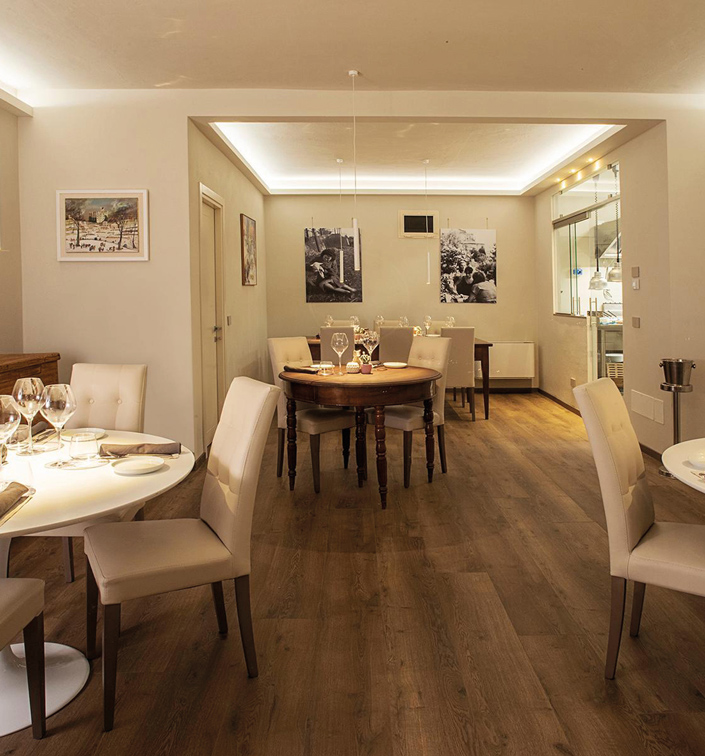
Options for those seeking a different dining experience, with attention to ingredients and evolving dietary preferences. These include specialist venues as well as restaurants, trattorias and wine bars serving food that incorporate more plant-based dishes into traditional, contemporary or locally inspired menus.
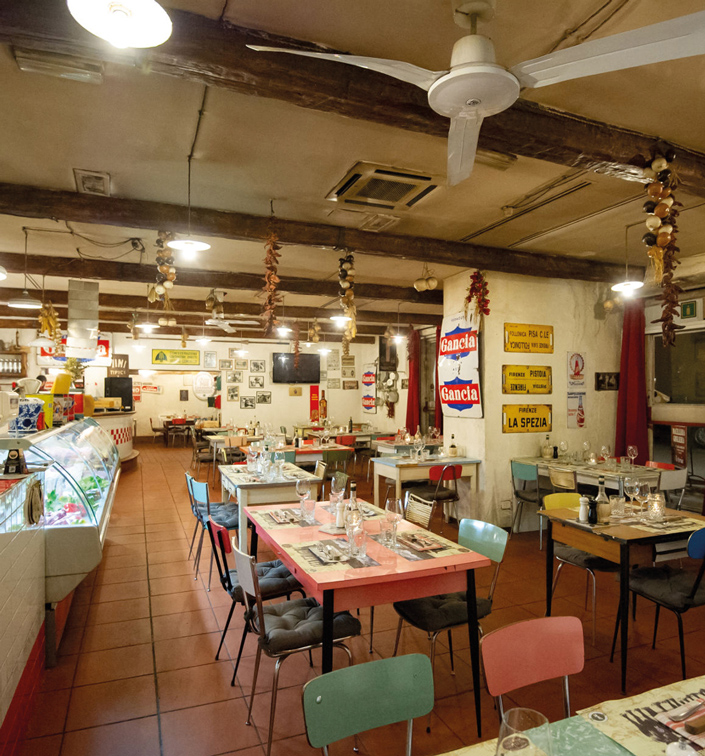
Restaurants, trattorias and informal places to eat where meat, cooking over embers, grilling, Chianina beef, game, meat sauces and hearty traditional dishes take centre stage. This is full-flavoured, convivial food, with preparations deeply rooted in Tuscan cooking.
Food and wine experiences
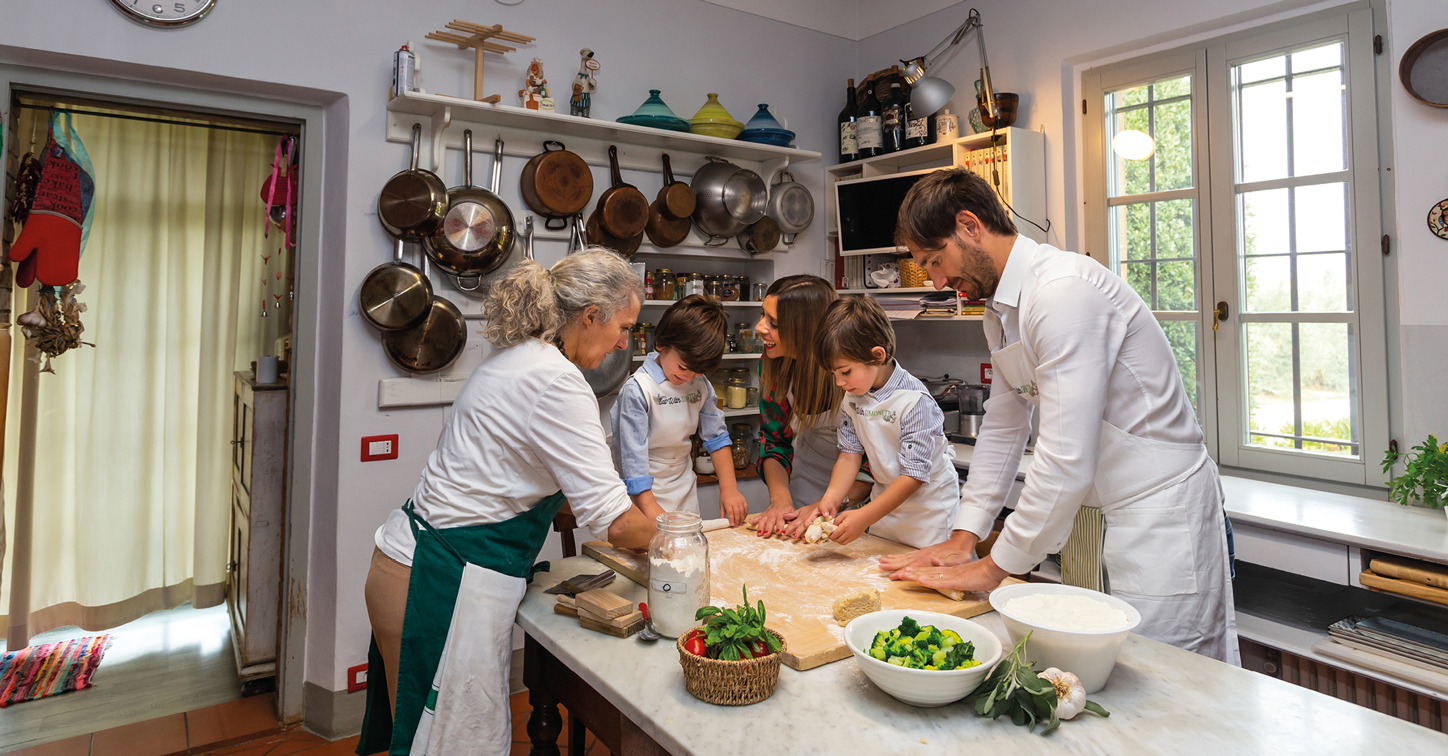
There is more to discovering food culture than sitting down to a meal. Cooking classes, tastings, visits to wineries or olive oil mills, workshops and activities exploring local products offer a more direct, hands-on way to discover recipes, ingredients, producers and traditions.
All places to eat
What to eat and drink
The cuisine of Arezzo and Tuscany is distinguished by its traditional dishes, ingredients, farm produce, woodland flavours, meat traditions and seasonal recipes. It is rooted in rural history, family traditions, markets, livestock farming, vegetable gardens, vineyards and olive groves, yet continues to be reinterpreted in contemporary restaurants.
Treasures of the land
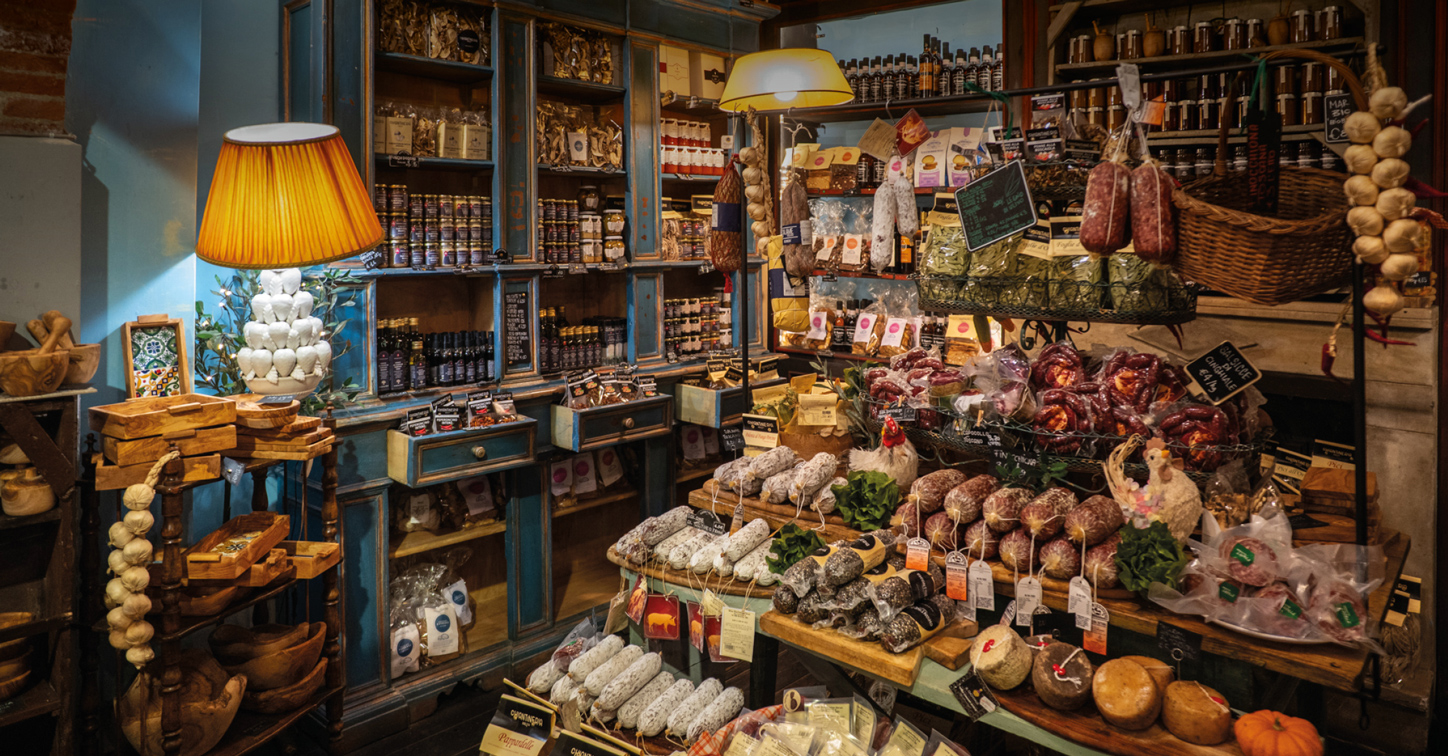
The area’s gastronomic specialities tell its story through its ingredients and most distinctive products. Wine, olive oil, Chianina beef, pulses, cheeses, cured meats, honey, chestnuts, flours, cereals and agricultural produce offer a way to understand its cuisine as more than a collection of recipes: it also reflects local production, landscapes and knowledge passed down through generations.
Food and memory
The area’s cuisine lives on in dishes passed down through generations, regularly found on menus most closely tied to tradition and reflecting family traditions, the seasons and cooking methods handed down over time. Alongside the best-known recipes, memories of rural life endure in simple kitchen practices, simple ingredients and flavours that tell the story of everyday life in the countryside.
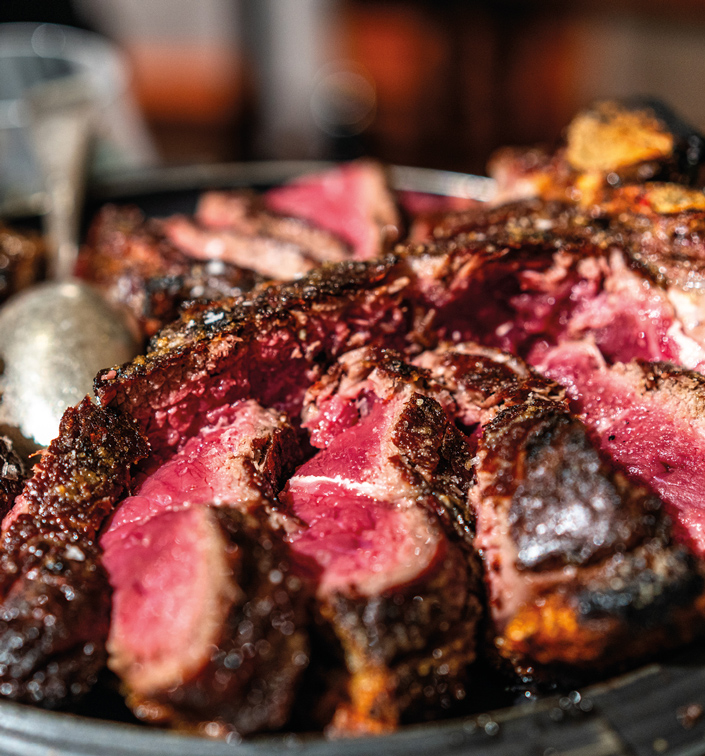
Discover dishes and specialities that represent the cuisine of Arezzo and Tuscany through their names, images, descriptions and short stories. Crostini neri, grifi, tripe, scottiglia, pappardelle, maccheroni with goose or duck, Chianina beef dishes, chestnut desserts and other specialities introduce you to the flavours most closely associated with the area.
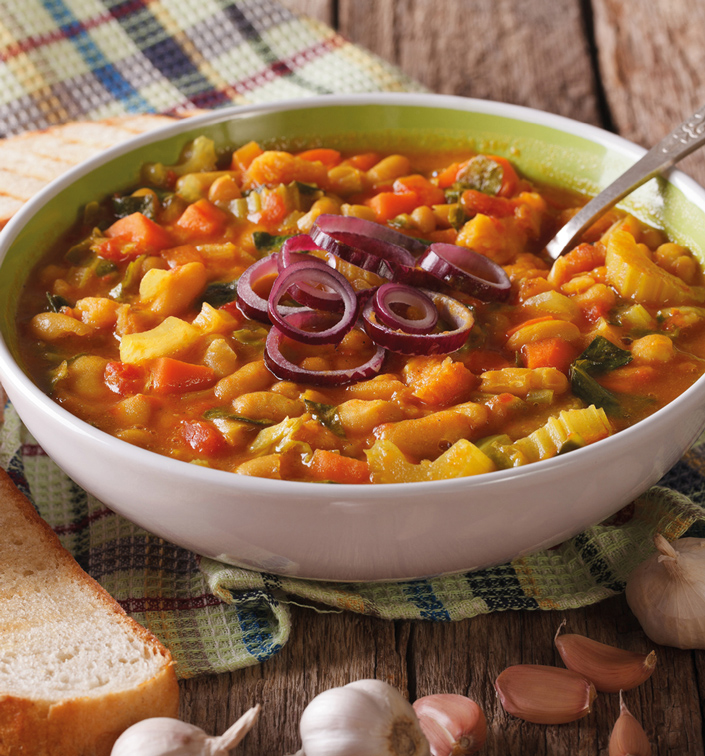
This tradition grew out of rural life, the need to make the most of what was available and the ability to turn simple ingredients into dishes full of character. Stale bread, pulses, garden vegetables, offal, slow cooking, resourcefulness and seasonality reflect a cuisine shaped by ingenuity, frugality and family memories.
Arezzo: the city and its valleys
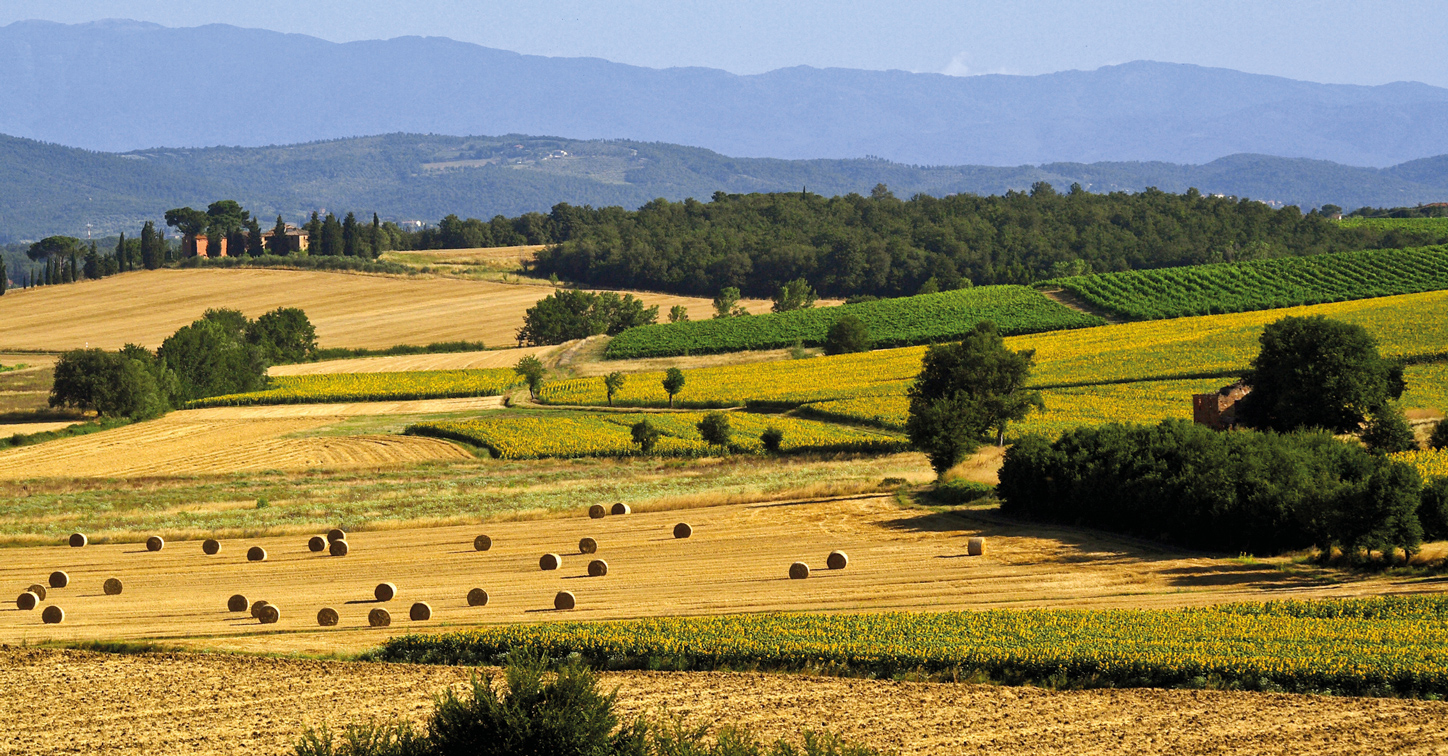
From the city to the hills, from Valdichiana to Valdarno, from Pratomagno to Casentino and Valtiberina, the landscapes, pace of life and flavours change across the Arezzo area. Each area has its own relationship with the countryside: vineyards and olive groves, cultivated plains, pastures, forests, rural villages and mountain areas form a varied geography that helps explain how the food reflects the places it comes from.
Plan your visit to Arezzo

Before you set off, check the practical information to experience Arezzo with ease. Here you’ll find guidance on how to get here (by car, train, bus or plane), the main connections, how to get around the city and its surroundings, where to park, ZTL (Limited Traffic Zone) rules, and key useful times. You’ll also find information points and services dedicated to visitors to make your stay easier and more enjoyable.


