


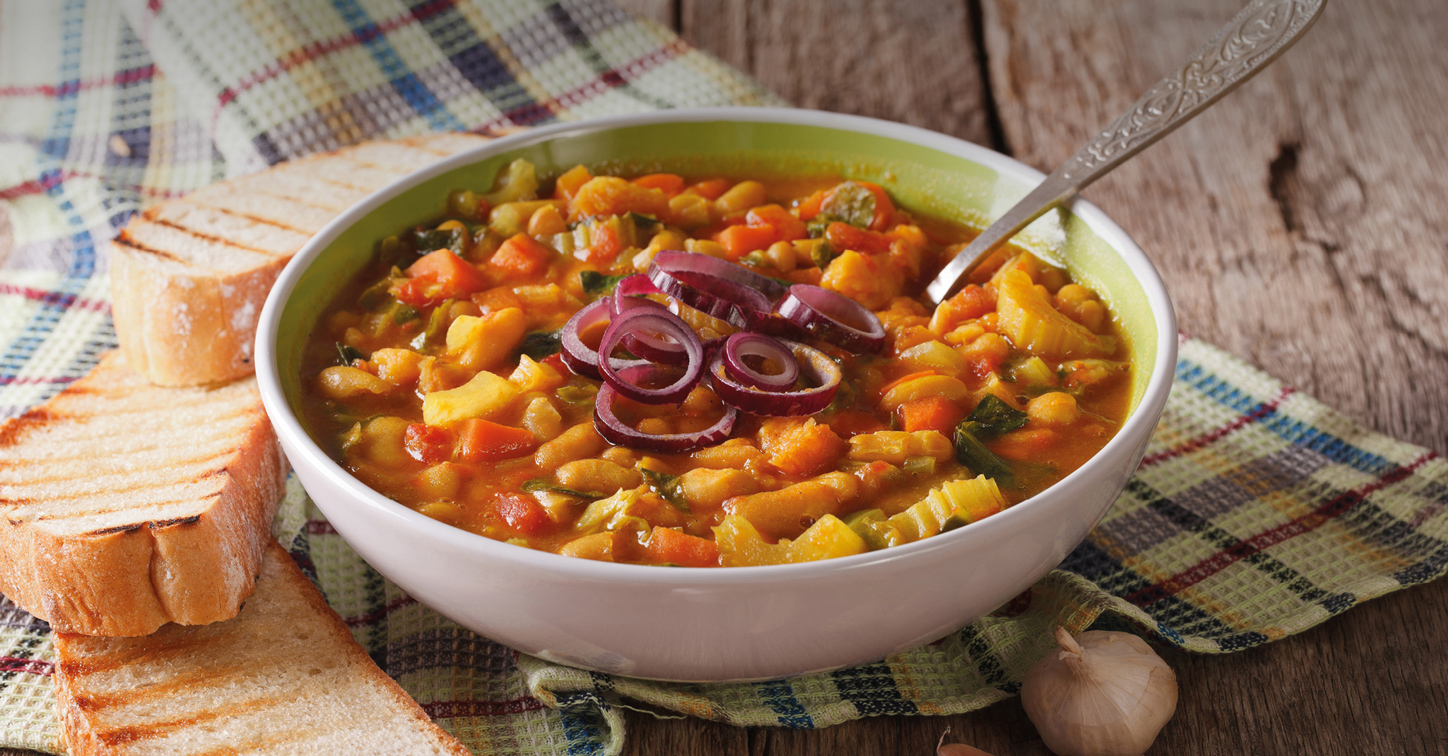
A tradition born from rural life, from the need to use what was available and the ability to transform simple ingredients into dishes full of character. Stale bread, pulses, garden produce, offal, slow cooking, making the most of leftovers and seasonality tell the story of a cuisine shaped by ingenuity, simplicity and family memory.
A cuisine born from necessity
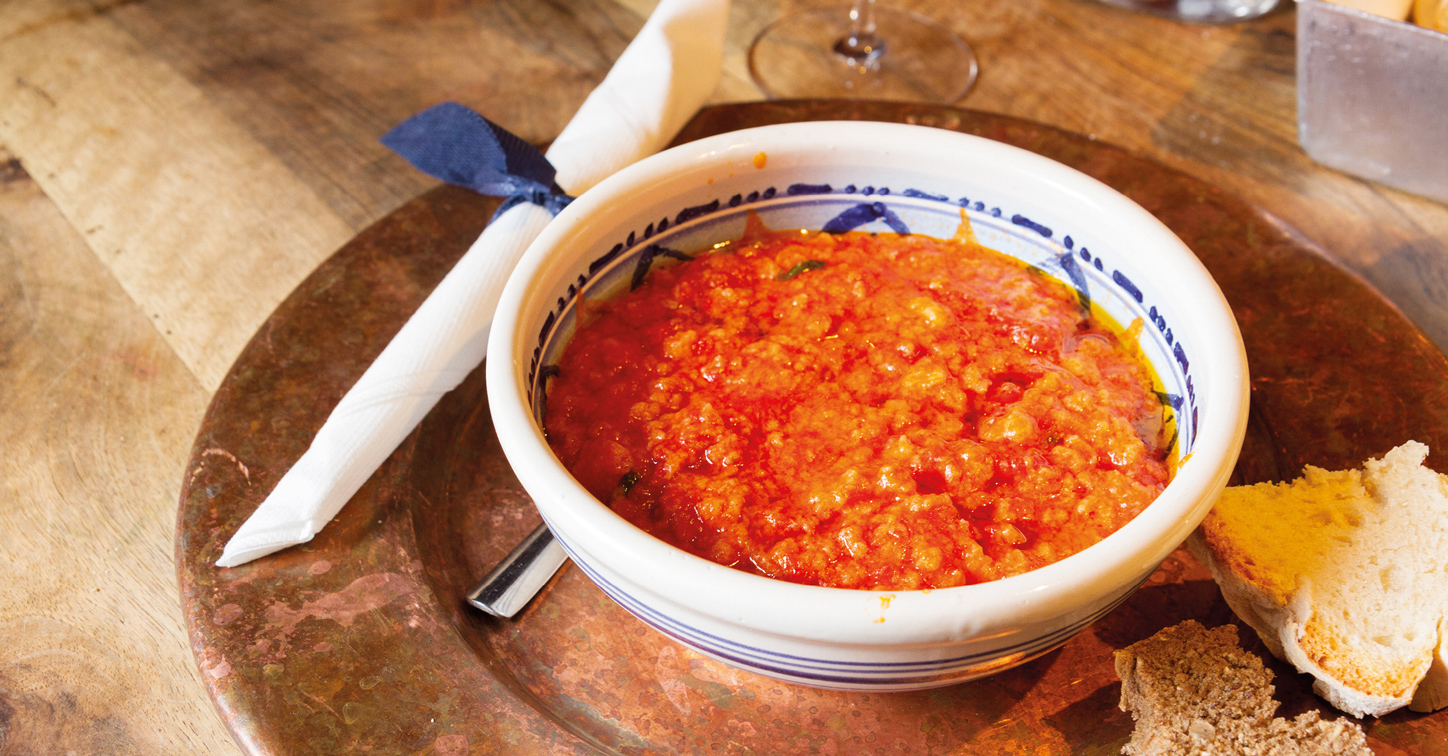
Rural cooking grew out of a direct relationship with whatever the land, livestock and pantry could provide. It was not a cuisine based on abundance, but on the ability to make good use of every ingredient, respect the seasons and transform simple produce into dishes that could nourish a family and make food last.
In the Arezzo area, this culture developed among farms, vegetable gardens, stables, farmyards, woods and small rural communities. Meals followed the rhythm of agricultural work, harvests, celebrations and the colder seasons, as well as those occasions when families gathered around more substantial dishes.
Many features that are still recognisable in local cuisine come from these roots: robust flavours, slow cooking, the importance of bread, the use of pulses and offal, farmyard animals, rich sauces and recipes that vary from one household to another. Rural memory is preserved not only in dishes, but also in everyday practices: kneading dough, preserving food, reheating soups, seasoning, slow cooking, making use of leftovers and giving them a new form.
Bread and the value of making the most of food
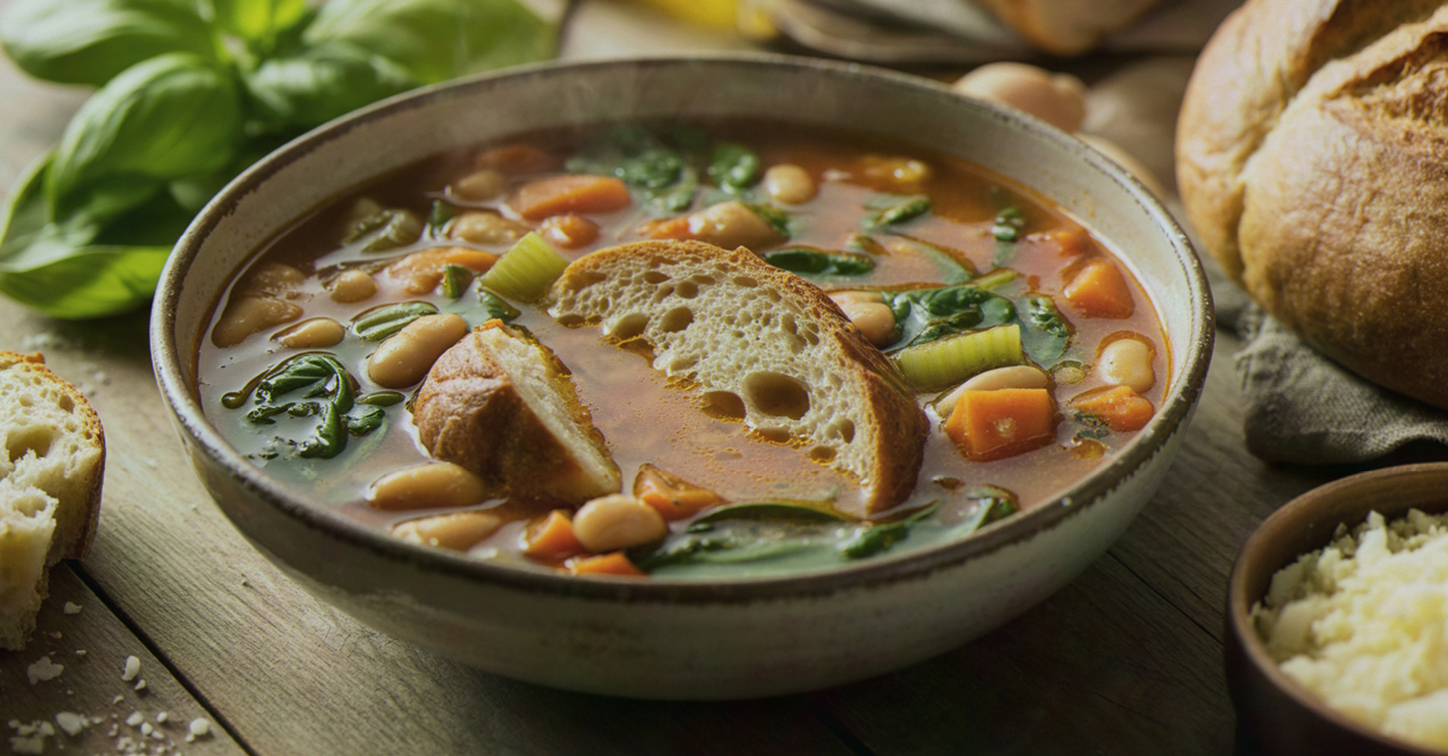
Bread is one of the foundations of Tuscan and Arezzo cuisine. Simple, everyday and present on every table, it also became the basis of many dishes once it was no longer fresh. Stale bread was never wasted: it was used in soups, minestra di pane, ribollita, pappa al pomodoro, panzanella, crostini and some of the simplest dishes of home cooking.
Making the most of food was not an occasional choice, but a principle of rural life. Leftover ingredients could become the starting point for a new dish; soup could be reheated; bread could add substance to vegetables, pulses and broths; and a simple topping could turn a slice of toasted bread into something full of flavour.
In this culture, the value of food did not depend on expensive ingredients, but on the ability to use them carefully and without waste. Dishes based on bread reflect a simple, practical and family-centred cuisine, where the line between necessity and flavour became part of the area’s culinary identity.
Garden produce, pulses and everyday food
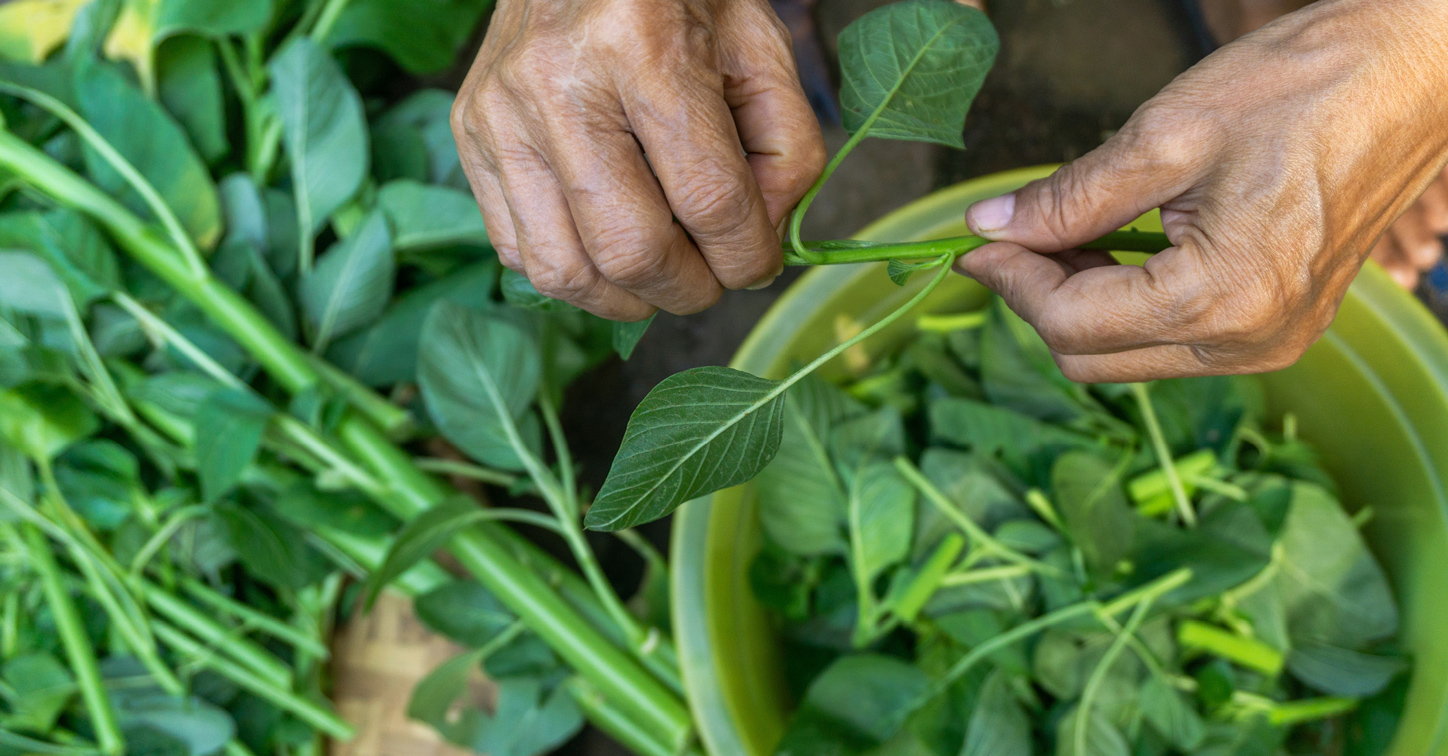
Rural cooking was deeply connected with the vegetable garden. Vegetables, herbs, onions, tomatoes, cabbages, celery, pulses and seasonal produce formed the basis of everyday meals. Long before plant-based food became a dietary choice, it was a natural part of rural life: people cooked what grew close to home, what could be preserved and what could provide the family with food throughout the year.
Pulses played an essential role. Beans, chickpeas and other dried pulses could be stored for long periods and used in soups, side dishes or complete meals, often dressed simply with extra virgin olive oil. They were humble ingredients only in appearance: they sustained everyday cooking and gave substance to dishes made with just a few ingredients.
The vegetable garden also shaped the seasonal calendar of the table. Fresh vegetables, wild herbs, summer produce, winter cabbages and preserved pulses created a varied cuisine governed by the seasons and by what was available. An important part of local culinary memory grew from this relationship: simple, seasonal dishes that tell the story of home, countryside and agricultural life.
Offal, less prized cuts and farmyard animals
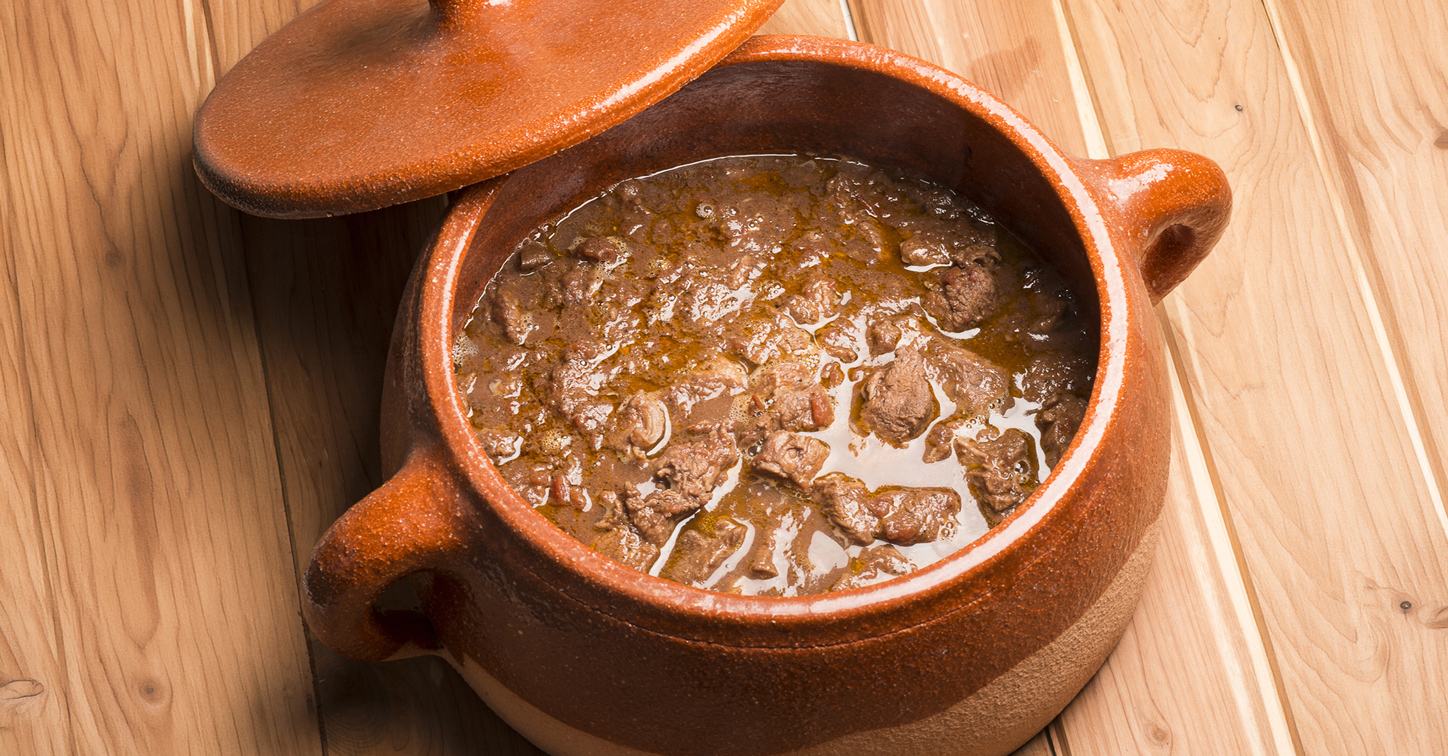
Rural cooking made careful use of every part of the animal. Offal, less prized cuts, tougher parts and organ meats became the basis of richly flavoured dishes through slow cooking, herbs, wine, tomatoes, spices and practical knowledge passed down at home. Dishes such as grifi, tripe and fegatelli belong to this culture of avoiding waste, where parts considered less valuable could be transformed into dishes with a strong identity.
Farmyard animals also played an important role. Geese, ducks, rabbits and chickens were commonly raised in the countryside and could become part of Sunday meals, celebrations or family occasions. Used in sauces, stews, roasts and other slow-cooked dishes, they evoke a domestic world of farmyards, small family economies and recipes passed down through generations.
This part of Arezzo cuisine retains strong, distinctive flavours. It was not born from a search for refinement, but from practical knowledge of the ingredients: knowing how to prepare them, tenderise them, add flavour and turn them into food for the family table.
Slow cooking, stews and sauces
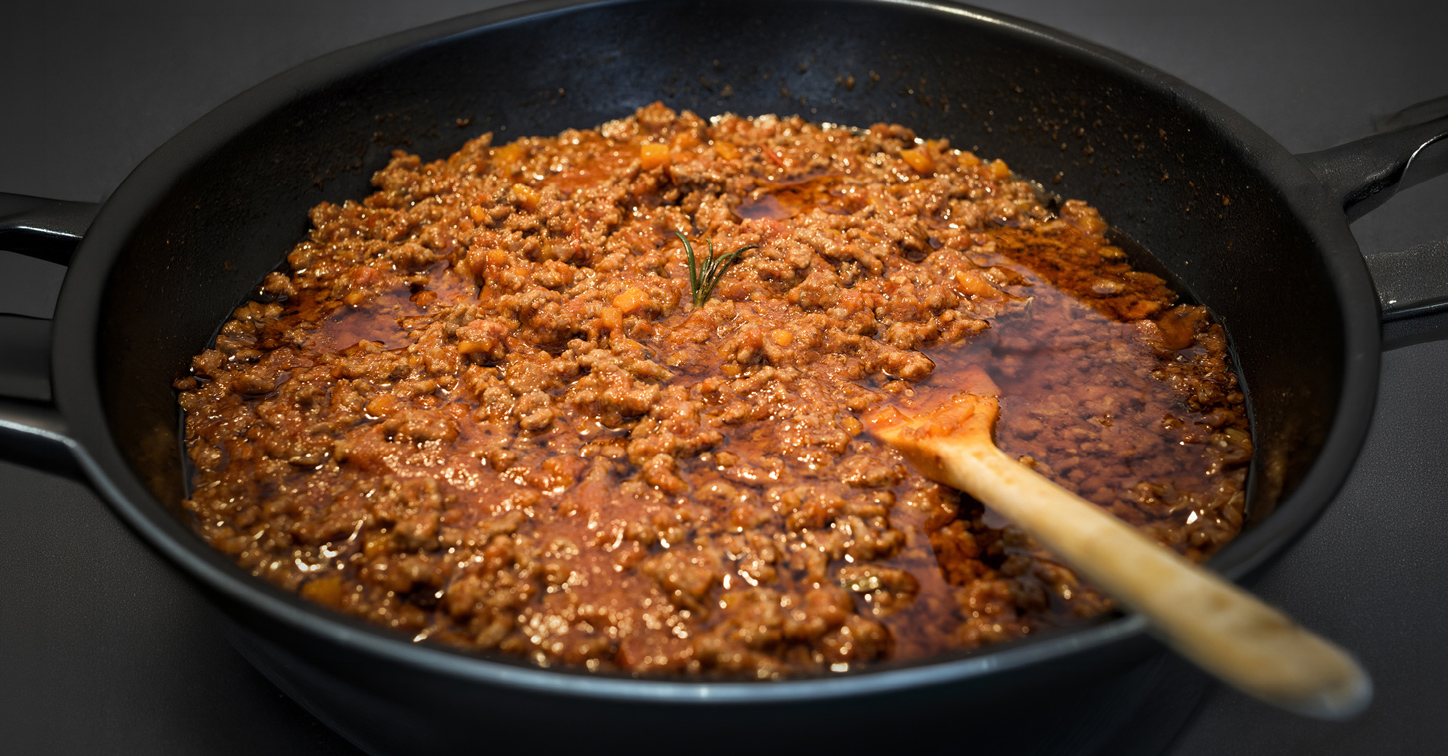
Many traditional dishes owe their character to time. Meat sauces, stews, soups, scottiglia, dishes made with farmyard animals and offal all require slow cooking to tenderise the ingredients and concentrate their flavours. Pots, pans and the fire are essential tools in a cuisine that takes its time.
Sauces played an important role in festive and family meals. Serving fresh pasta with ocio, nana, rabbit, wild boar or other meat ragùs transformed a simple dish into something richer, suited to Sundays and family gatherings. Homemade pasta and slow-cooked sauces brought together manual skill, the ingredients available and the pleasure of sharing a meal.
Slow cooking also reflects a different relationship with time in the home. Food was not separate from everyday life: it cooked while other work was being done, could be prepared in advance, reheated and shared. From this continuity came deep flavours, enduring recipes and a culinary memory rooted in patience.
The pantry and the seasons
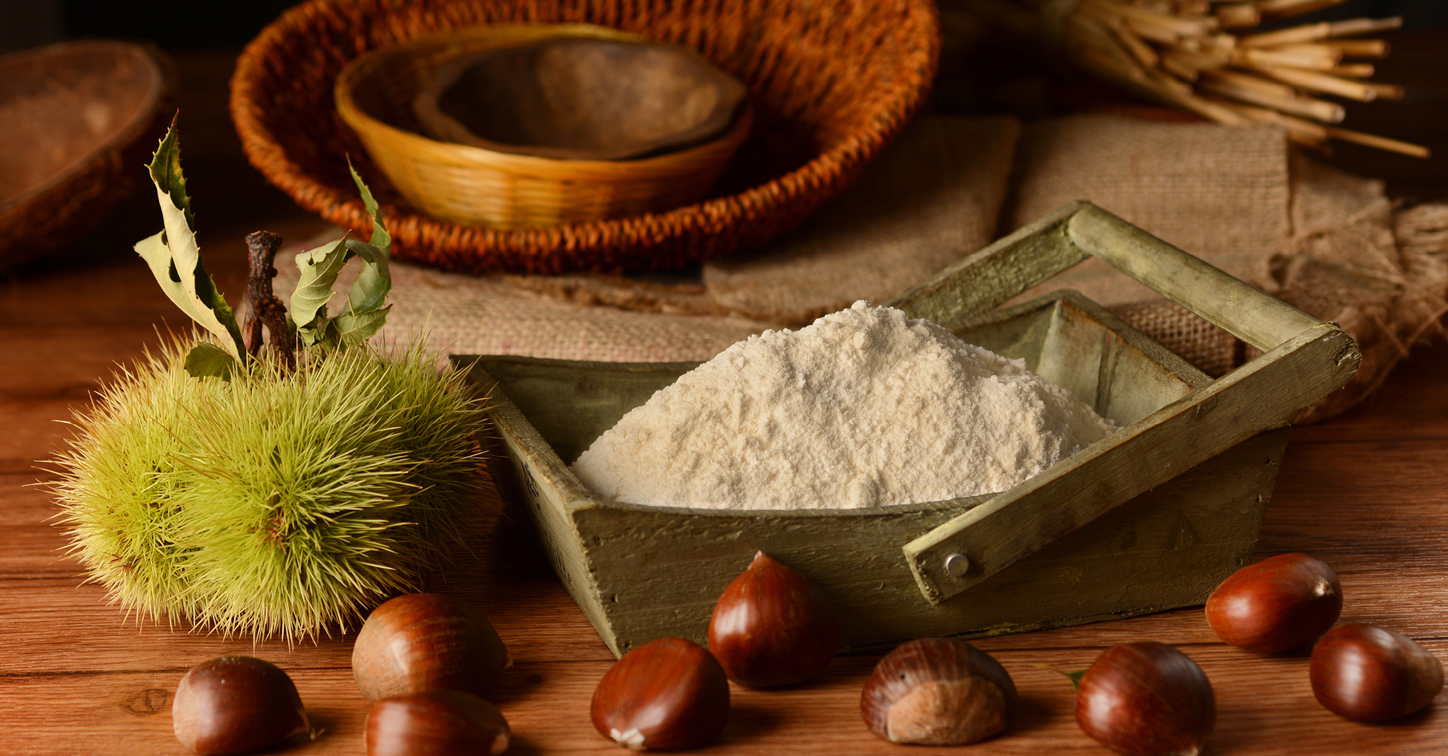
The pantry was an essential part of rural life. Preserving food meant preparing for the more difficult months, extending the life of ingredients and ensuring continuity at the table. Flours, dried pulses, chestnuts, preserves, olive oil, wine, cured meats, aromatic herbs and preserved foods helped families through the winter and reduced their dependence on fresh seasonal produce.
Every product had its own time: the grape harvest, the olive harvest, drying chestnuts, processing pork, making preserves and storing pulses and flours. Cooking followed this calendar of agricultural seasons, family work and practical knowledge.
The pantry reflects a forward-looking approach to food, based on moderation and the ability to preserve and transform. It was more than simply a space in the home: it was a form of memory, preserving the products of one season so they could return to the table in the months that followed.
Skills passed down and family memory
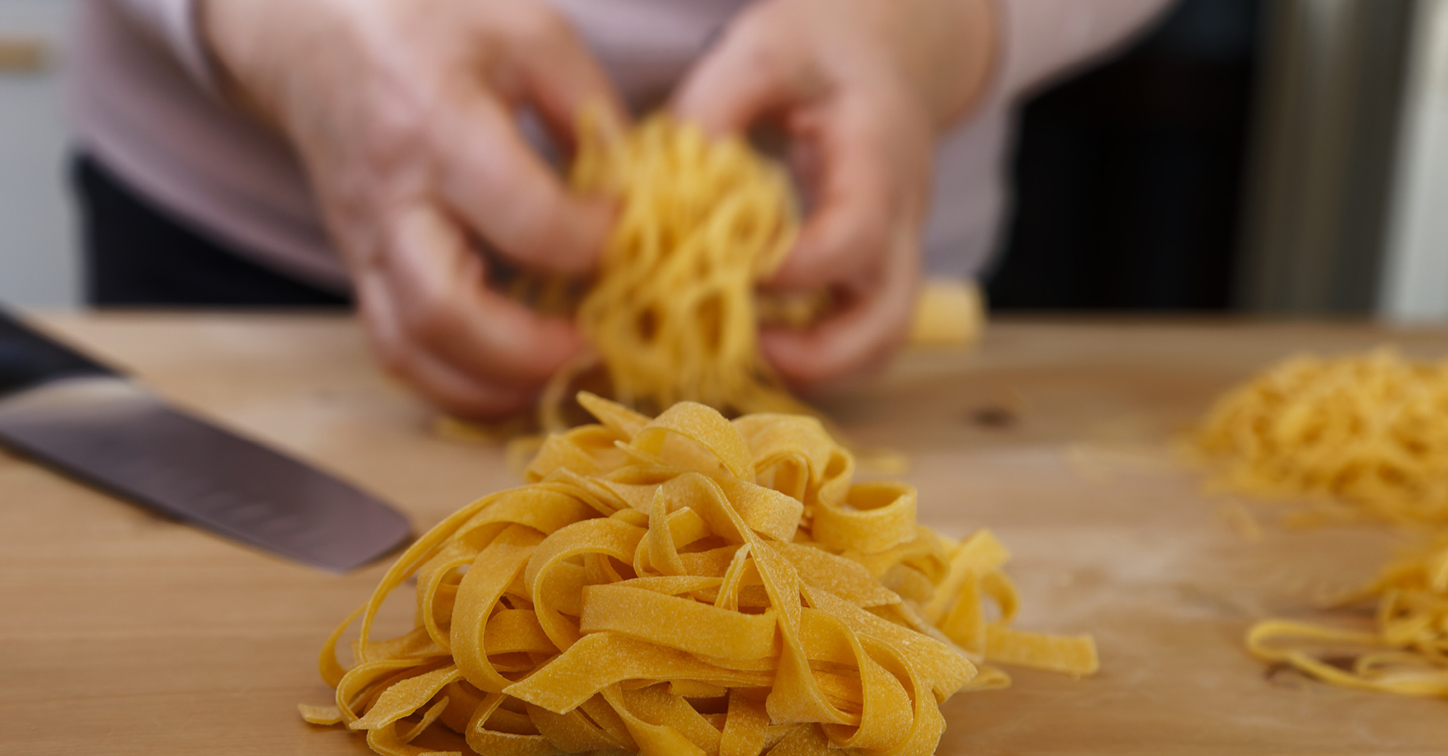
Rural memory lives in everyday gestures even before it lives in written recipes. Kneading dough, cutting pasta, preparing a sauce, seasoning a soup, cleaning vegetables, preserving food and slowly cooking a stew are practices that have passed through generations and often vary from one family to another.
Many dishes in the cuisine of Arezzo and Tuscany have no single definitive version. Every household may preserve its own variation, an additional ingredient, a different cooking method or a particular way of serving a dish. This variety does not weaken the tradition; it keeps it alive, showing how recipes grew out of everyday use and were passed down within families.
Rural cooking and traditions therefore tell the story of a practical culture built on simple ingredients and deep knowledge. It is a cuisine born from necessity, yet one that continues to speak through flavour, everyday practices, seasonality and its close connection with daily life across the Arezzo area.


