


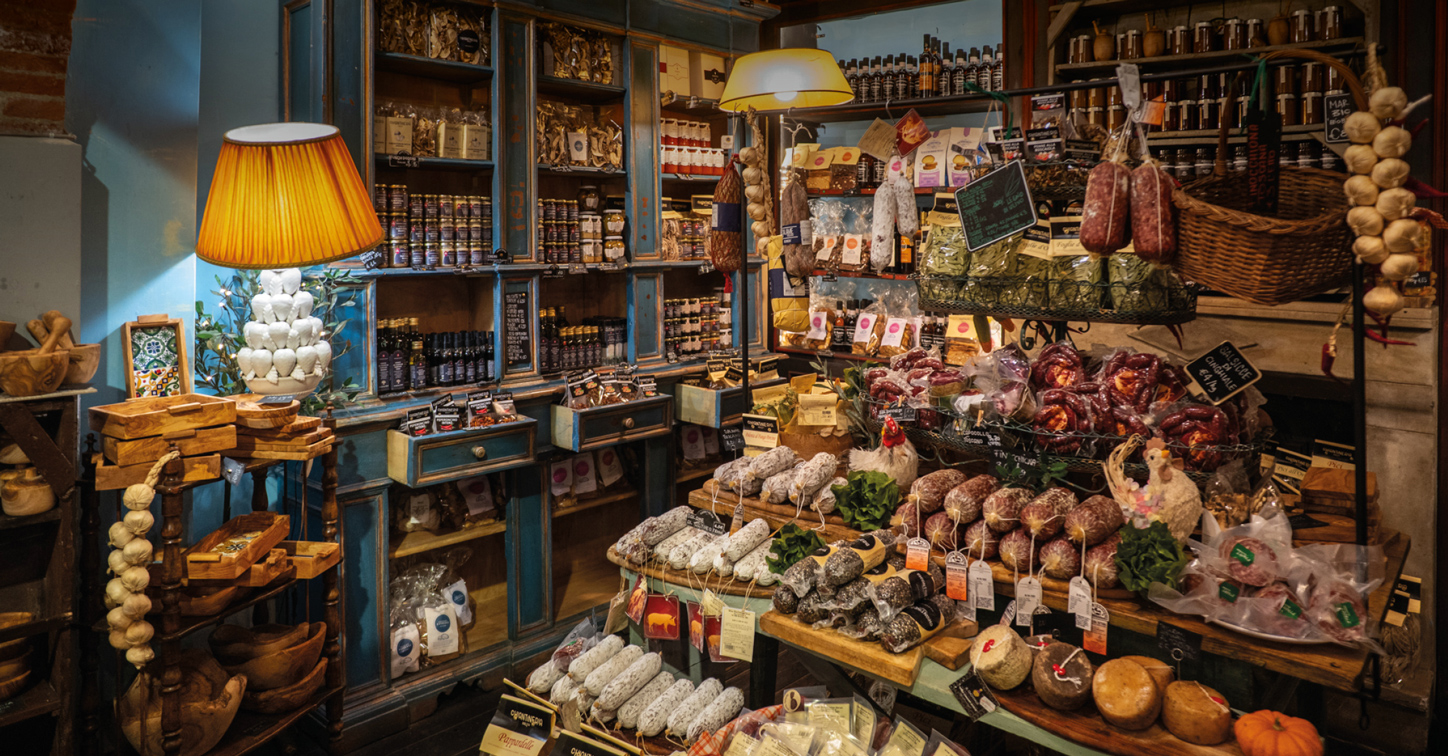
The area’s gastronomic specialities tell its story through its raw ingredients and most distinctive products. Wine, olive oil, Chianina beef, pulses, cheeses, cured meats, honey, chestnuts, flours, cereals and agricultural produce offer a way to understand its cuisine not simply as a collection of recipes, but as an expression of local production, landscapes and knowledge. Across the Arezzo area, food is shaped by different environments: hills planted with vines and olive trees; Valdichiana, with its strong ties to Chianina beef and aglione; Valdarno, with its pulses, cured meats and rural produce; Casentino and Pratomagno, with chestnuts, flours and cheeses; and Valtiberina, with produce gathered from its woods and countryside. Each speciality retains a close connection with the place it comes from and the people who produce it: farmers, livestock breeders, winegrowers, olive oil producers, butchers, cheesemakers, beekeepers, foragers and small producers.
Wine, hills and rural identity

Wine is one of the most important ways to understand the Arezzo area. From the hills around the city to Valdichiana, from Valdarno to Valdambra, vineyards line roads and surround villages, farmsteads and agricultural estates. Here, Sangiovese grows alongside local and international grape varieties, giving rise to appellations that reflect different areas: Chianti Colli Aretini, Cortona, Valdichiana and Valdarno di Sopra.
Wine is more than an agricultural product: it is a way of interpreting the land. Wineries preserve technical expertise and family traditions, the grape harvest marks the rhythm of rural life, and many estates combine production with welcoming visitors, tastings and hospitality.
At the table, local wines accompany hearty dishes, meat, rich sauces, cheeses, cured meats and traditional recipes. But their significance goes beyond food pairing: they reflect a farming culture that has transformed the hills into a distinctive landscape, shaped by production and by the people who live there.
Extra virgin olive oil
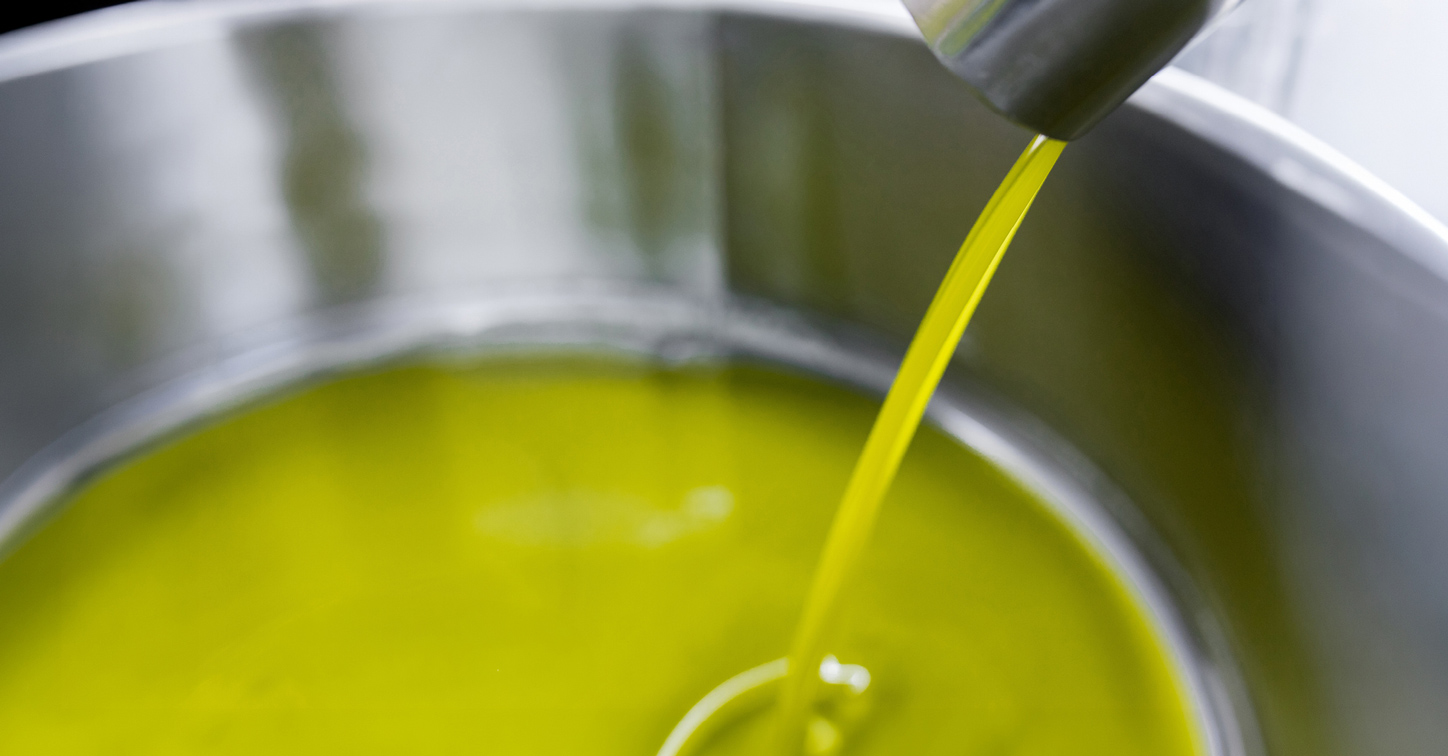
Extra virgin olive oil is one of the essential elements of Tuscan and Arezzo cuisine. It is used on bread, vegetables, soups, pulses, grilled meat and everyday dishes, but it also reflects the care devoted to the hills, olive groves and olive mills.
Across the Arezzo area, olive oil is closely connected with the cultivated countryside, where olive trees help define the character of the rural landscape. Tuscan Olive Oil PGI, including the “Colline di Arezzo” designation, links the product to a controlled supply chain and a clearly recognisable local identity.
At the table, freshly pressed olive oil offers a simple and direct experience: on toasted bread, beans and boiled vegetables, in soups and in the simplest dishes. It is one of those products that needs no elaborate preparation to express where it comes from: quality, seasonality and a light touch are enough.
Chianina beef and the meat supply chain
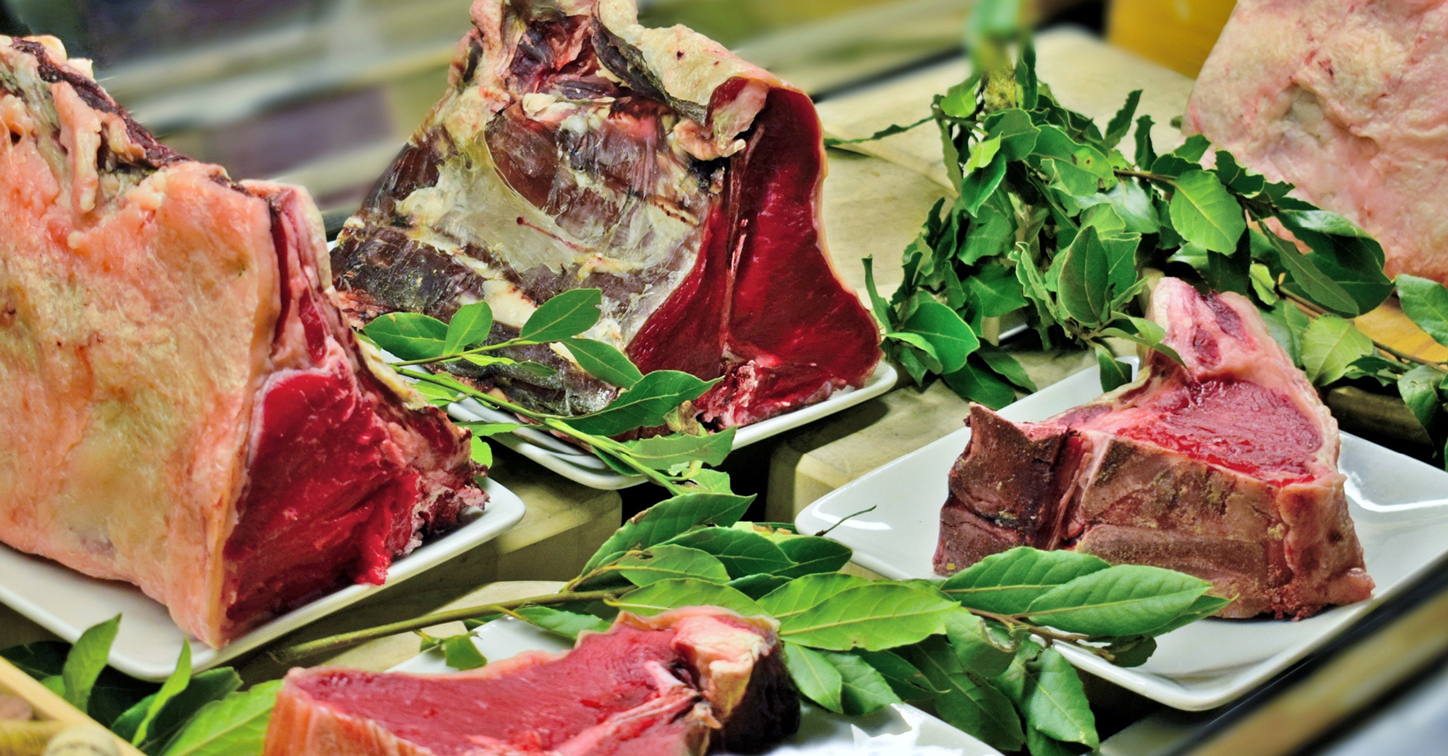
Chianina beef is one of the most distinctive products of Valdichiana and the Arezzo area. An ancient cattle breed with a strong identity, it is part of a supply chain that brings together livestock farming, breeding, meat quality, restaurants and food culture.
Today, Chianina beef is protected under the Vitellone Bianco dell’Appennino Centrale PGI designation, together with other cattle breeds from central Italy. Its place in local cuisine extends far beyond steak or grilled meat, embracing a whole body of knowledge: livestock farming, processing, butchery, cooking and respect for the quality of the raw ingredient.
At the Arezzo table, Chianina represents one of the most distinctive and prestigious expressions of the local meat tradition. It is associated with convivial occasions, specialist restaurants, agriturismos and farms that keep alive the connection between agricultural production and cooking.
Pulses, seeds and agricultural biodiversity
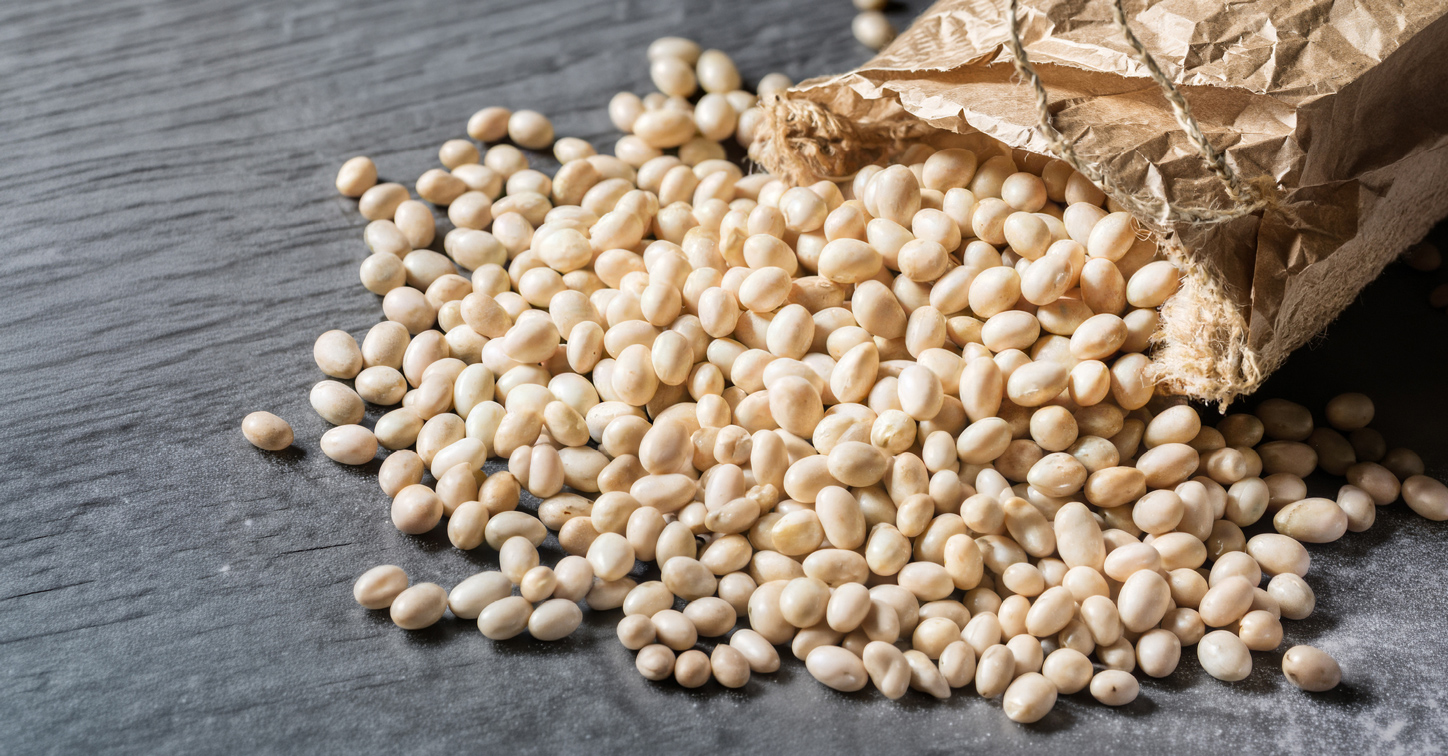
Alongside the best-known local products, the Arezzo area preserves smaller but equally significant specialities. Pulses tell the story of everyday cooking, of cultivated fields, seeds passed down through generations and simple preparations. Among them, the Zolfino bean from Pratomagno is one of the products most closely associated with Valdarno and the hills around Arezzo. Small and delicate, with a thin skin, Zolfino beans are traditionally served boiled and dressed with extra virgin olive oil. Their appeal lies precisely in their simplicity: a pulse that can become a dish in its own right with almost nothing else. This same agricultural landscape is also home to chickpeas, local beans, cereals and flours, ingredients that sustained rural families for centuries. Less conspicuous than other local products, they are nevertheless essential to understanding the foundations of rural cooking and the value of agricultural biodiversity.
Aglione from Valdichiana
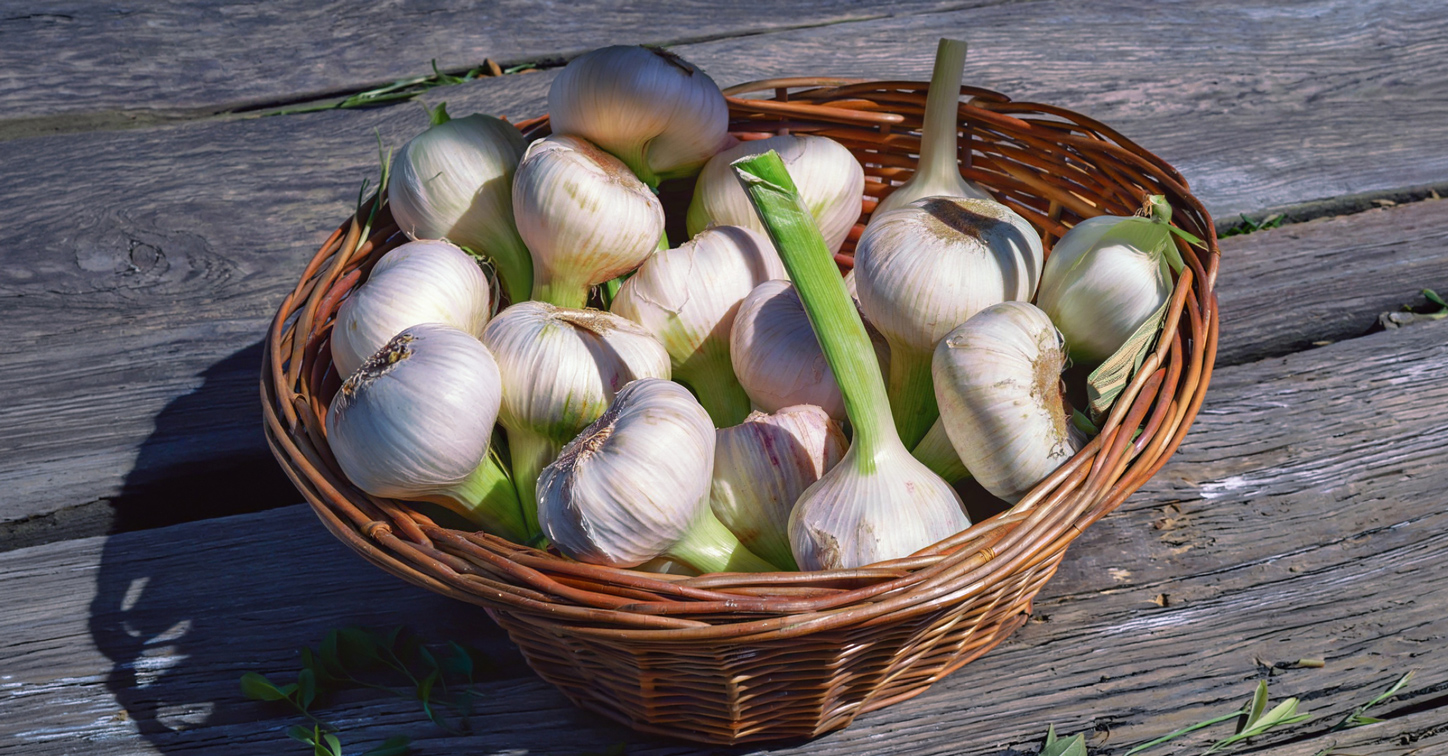
Aglione from Valdichiana is one of the most distinctive products of the plain between Tuscany and Umbria. It is known for its unusually large bulbs, its milder aroma compared with ordinary garlic and its close connection with a simple cuisine that has a strong local identity.
Its name is most closely associated with pici all’aglione, one of the area’s signature dishes, but the importance of the product goes beyond this recipe. Aglione tells a story of generations of farming knowledge, careful seed selection and the revival of a crop that has attracted renewed interest in recent years.
In local cooking, it adds aroma, sweetness and character without overpowering other ingredients. This has made it one of the most immediate expressions of Valdichiana at the table: a simple product capable of telling the story of an entire area.
Cured meats, traditional pork butchery and craft knowledge
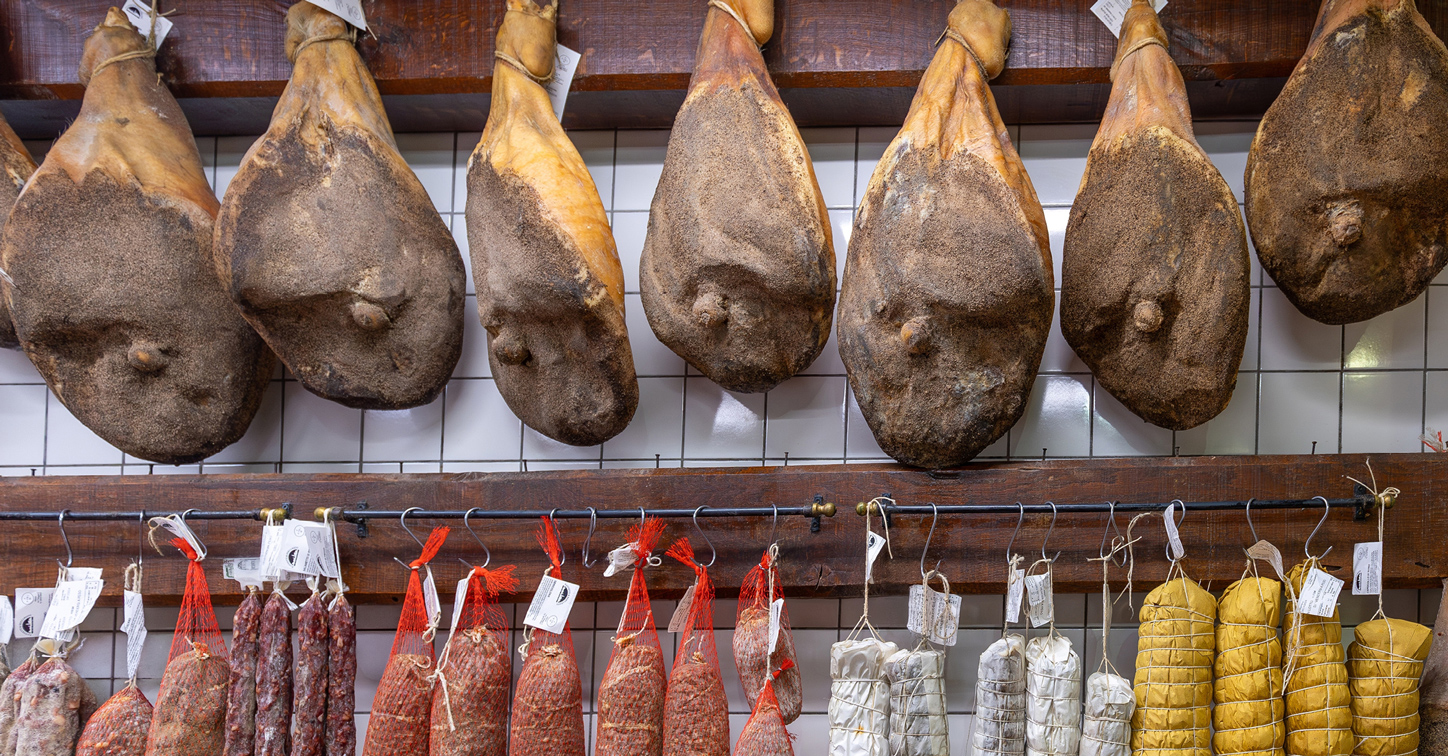
The tradition of cured meats and pork butchery is deeply rooted in the rural culture of the Arezzo area. For generations, processing pork played a central role in the household economy: it made it possible to preserve meat, produce cured meats, use every part of the animal and stock the pantry for the months ahead.
Among the area’s most distinctive products is Tarese del Valdarno, a traditional cured meat associated with Valdarno’s pork-butchery tradition, characterised by lengthy preparation, aromatic seasonings and ageing. Alongside it, porchetta from Monte San Savino tells another story of traditional expertise: slow cooking, herbs and spices, festivals, markets, sandwiches and popular conviviality.
Cured meats, hams, sausages and other traditional pork products are much more than something served on a sharing board. They reflect preservation techniques, skills practised over generations and the ability to transform raw ingredients into distinctive, long-lasting flavours.
Cheeses and traditional dairy production
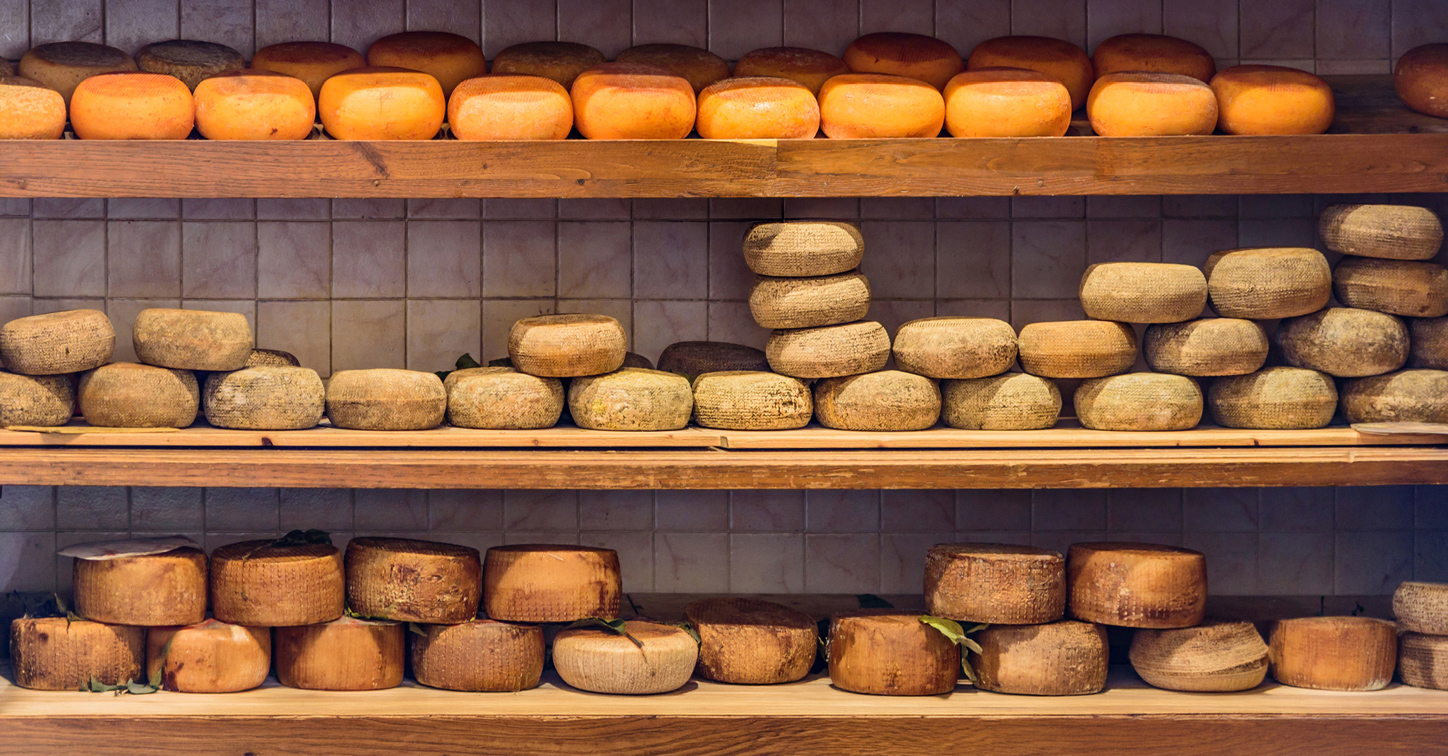
The cheeses of the Arezzo area reflect the relationship between milk, traditional craftsmanship and local traditions. Fresh and aged pecorino, raw-milk cheeses and products from small dairies are part of country cooking, served on sharing boards or enjoyed with honey, preserves, bread and wine.
One of the most characteristic examples is Abbucciato Aretino, a raw-milk pecorino associated with the Arezzo area, Casentino, Valtiberina and Valdarno. Its identity comes from the way the milk is processed, the ageing, the rind and the continuity of techniques passed down over time.
Cheese occupies a place between everyday food and convivial occasions. It can be a simple food, something to eat with bread, an ingredient, the end of a meal or part of a tasting. In every form, it retains its connection with a production culture found throughout the valleys and rural areas of the province.
Honey and small-scale countryside produce
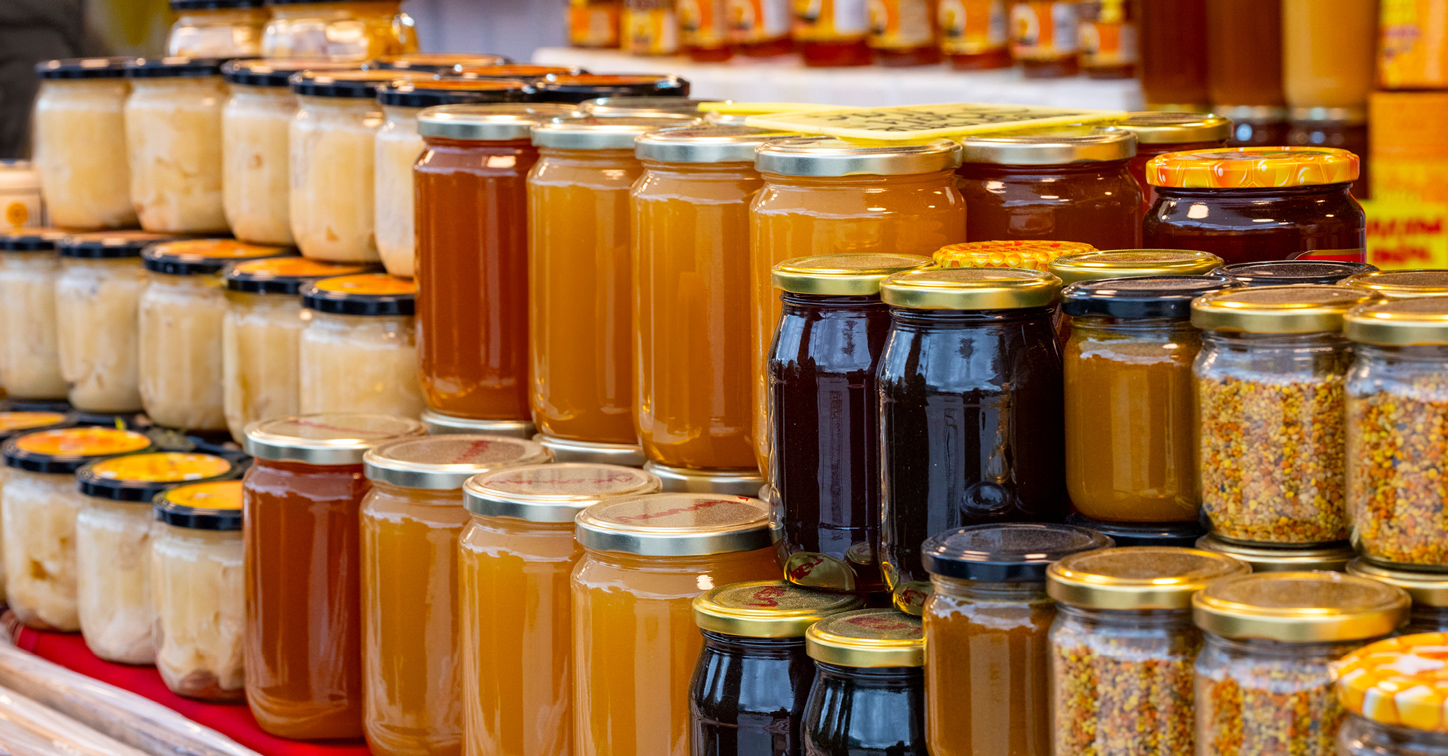
Honey is one of those quiet products that reflect the variety of agricultural and natural landscapes. Fields, woods, flowering plants and cultivated margins are expressed in the aromas and colours of local honeys, often produced by small farms or in rural settings.
At the local table, honey accompanies cheeses, ricotta, simple desserts, bread and seasonal dishes. Its value is not only gastronomic: honey also tells a story of biodiversity, flowering plants, bees, environmental balance and care for the countryside.
Alongside honey are many other small-scale agricultural products: preserves, jams, fruit, aromatic herbs, cereals, garden produce and homemade preparations. Together, they complete the story of the area’s gastronomic specialities, showing a cuisine shaped by details, seasons and everyday practices.
Chestnuts and flours
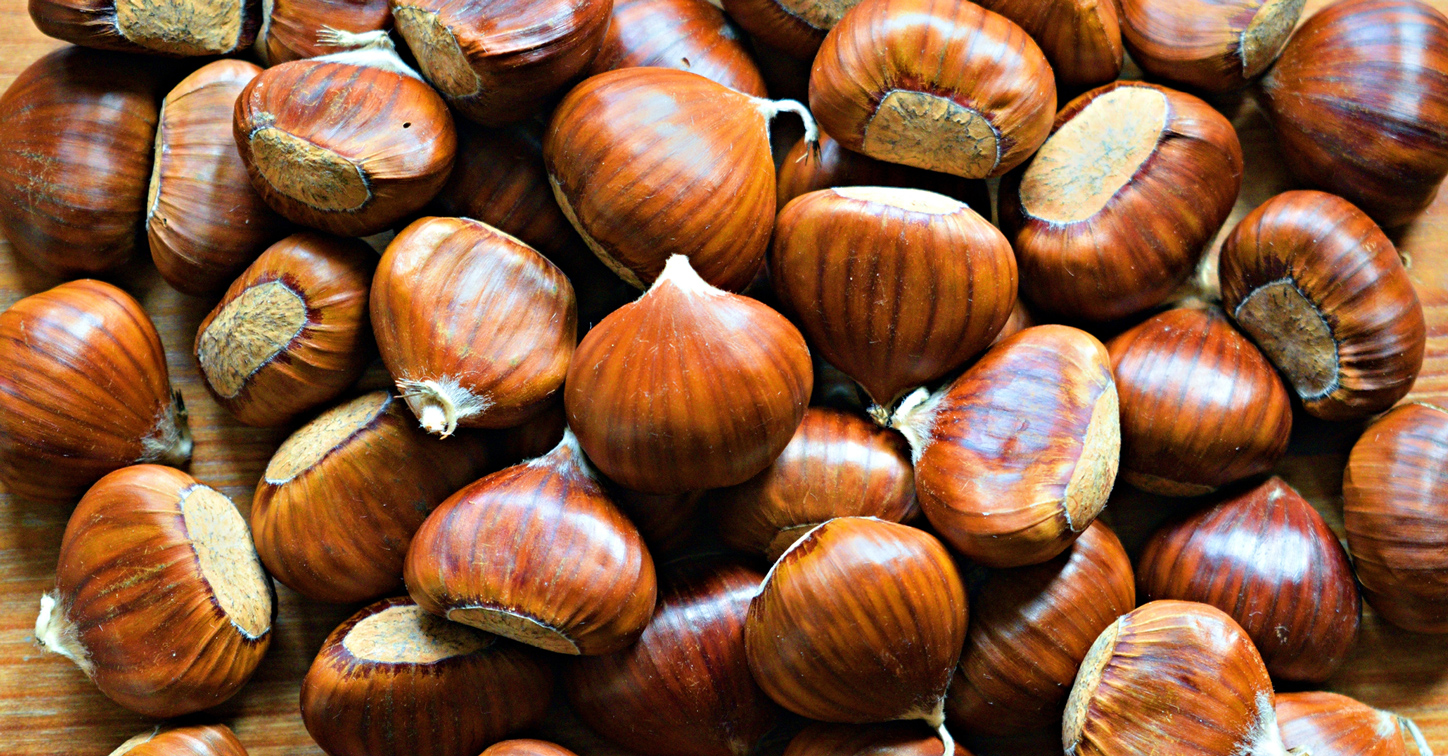
In Casentino, Pratomagno and the mountainous areas of the province, chestnuts were an essential resource for centuries. They were not simply an autumn fruit, but food, flour, simple bread, desserts, polenta, castagnaccio and provisions for the winter.
Chestnut flour reflects a food culture based on gathering, drying and milling. Its roasted aroma and naturally sweet flavour connect it with a simple, nourishing cuisine and the colder months of the year.
Today, chestnuts and chestnut flours are more than a reminder of subsistence food. They are products that continue to express the identity of the Apennine and hill areas. In desserts, rustic dishes and traditional recipes, they still reflect the connection between local cuisine, mountain produce and knowledge passed down through generations.
Mushrooms and truffles
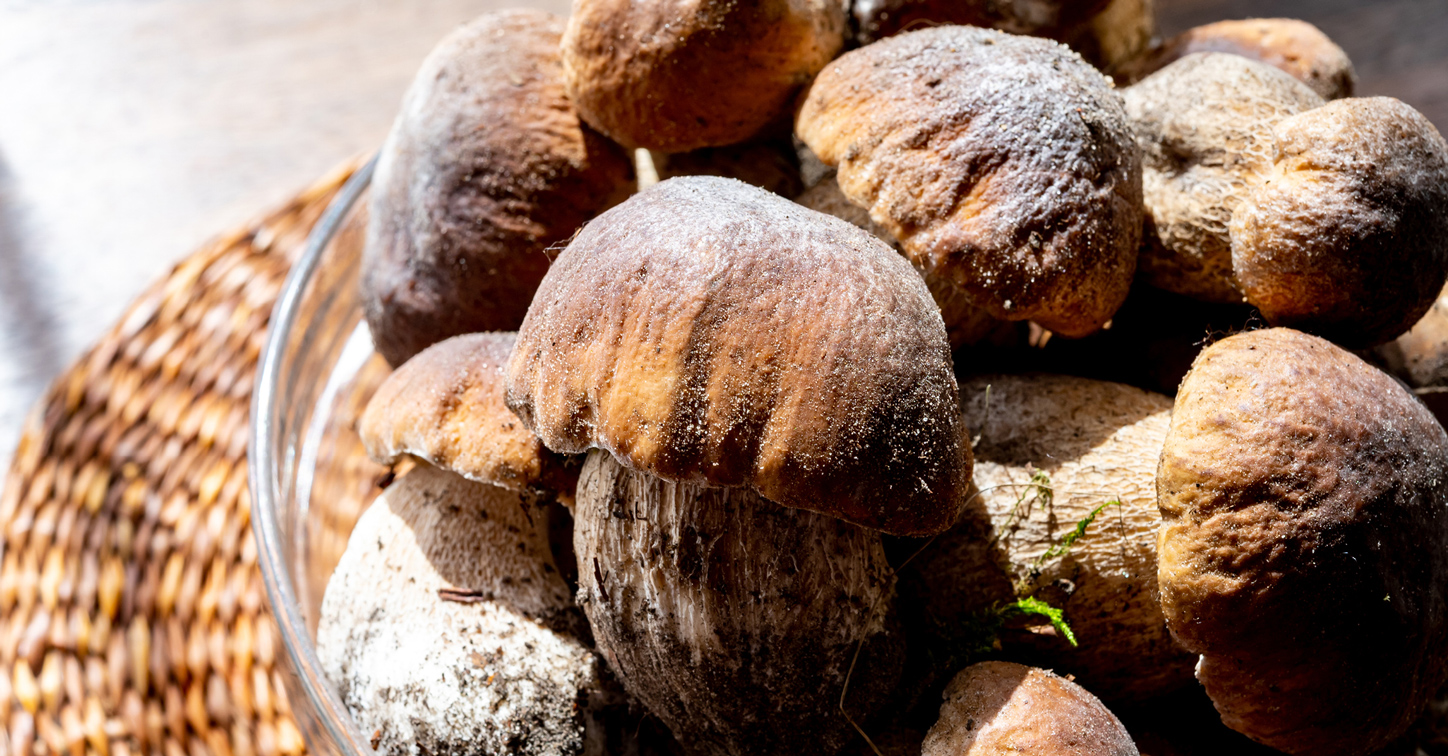
Mushrooms and truffles are among the most prized products of the province’s mountain and hill areas. Particularly in Casentino, Valtiberina and Pratomagno, porcini mushrooms, St George’s mushrooms, truffles and other woodland produce find their way into pasta dishes, crostini, eggs, meat, cheeses and simple preparations.
Their value lies not only in their flavour, but also in their seasonality and in knowing where to find them. These products require care, experience and respect for the environment, and bring intense, instantly recognisable aromas to the table.
In local food culture, mushrooms and truffles connect cooking with the wilder side of the landscape. They complete the picture of a province whose finest products come from both cultivated fields and natural environments.


